 |
|
For 40 years, AMC's A Mountain Classroom program has worked to increase students' understanding of the natural world and their connection to it.
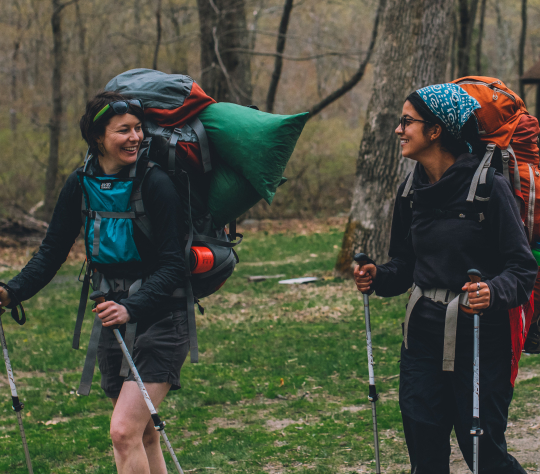
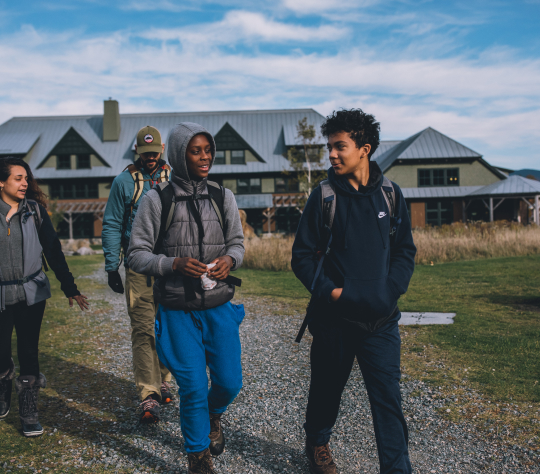
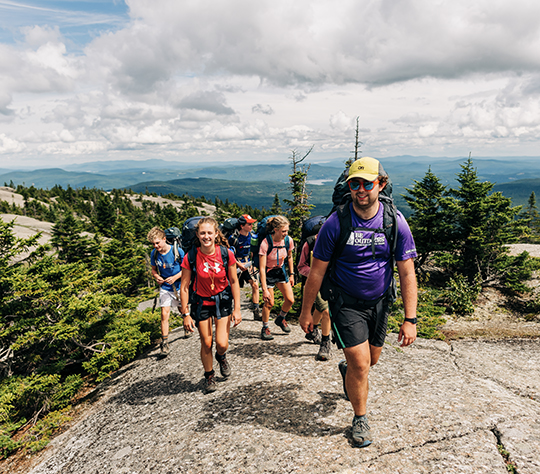
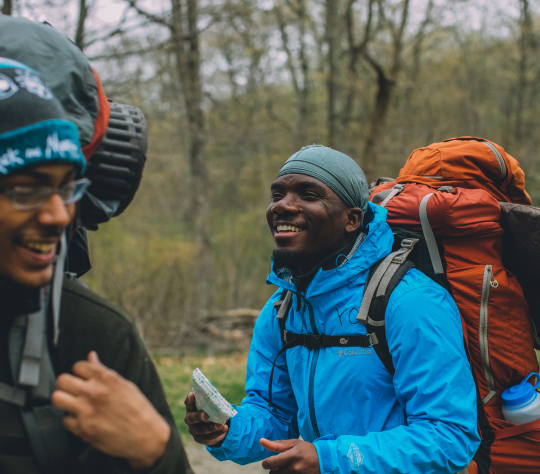
A Mountain Classroom offers an integrated learning experience that merges environmental education, personal development and team building seamlessly in a hiking-based program that challenges students and inspires an appreciation for the natural world. Our program, taught experientially in the beauty of mountain environments, creates powerful memories of nature, camaraderie and fun. A Mountain Classroom offers two basic curricular strands: Ecology and Earth Science and Outdoor Education, Teambuilding, and Leadership. Our programming is designed to address state learning frameworks, and we work with you to complement your curriculum goals and connect with classroom learning. Students have fun, learn and explore New Hampshire's inspiring mountains.
All programming incorporates aspects of our trilateral educational framework.
- Direct Engagement in the Natural World
-
- Developing an appreciation for the natural environment through exposure to spectacular wilderness areas.
- Active learning in an outdoor setting using a range of hiking/backpacking experiences and/or hands-on academic lessons.
- Improved Environmental Literacy
-
- Science and ecology education. Environmental issues.
- Human interactions and impacts on the environment.
- An interdisciplinary, well-balanced approach to environmental education.
- Community Enhancement
-
- Strengthening participants' intra- and inter-personal skills.
- Leadership development.
- Team building and communication skills.
- Respect for others.
Further Reading: "Classroom with a View: AMC Helps Students Learn Nature's Lessons" (AMC Outdoors)
|
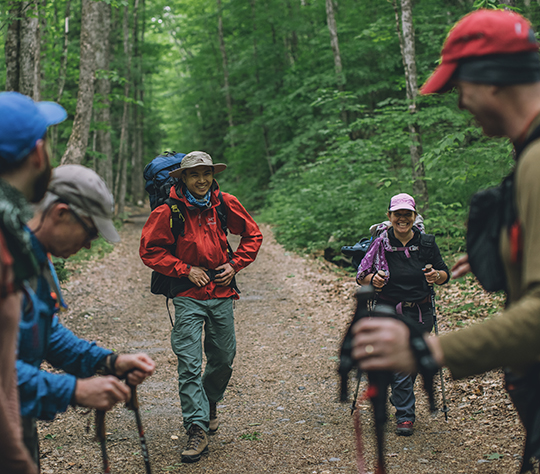
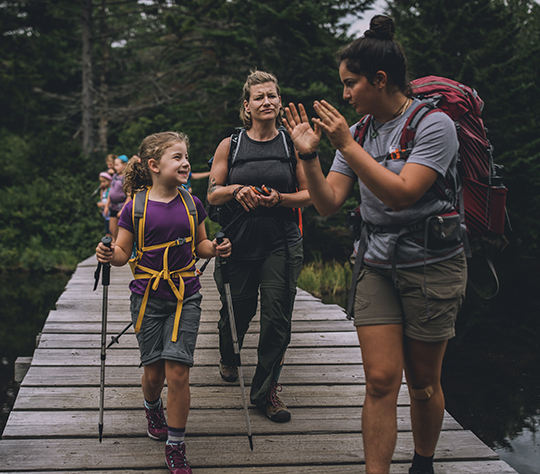
Each year we serve 3,000 students in one to five day programs with nights spent in our lodges or huts. Our programs are generally taught in the "field" during hikes using hands-on learning activities. Field groups are comprised of 8 – 11 students, one school chaperone and one AMC educator. Hikes and most daytime activities occur in field groups, but the larger group will convene for meals and can be combined at other times if desired. Take a look at our sample schedule.
Programs vary based on group goals, participant experience, length and location. Rates are determined by program length and overnight accommodations. Programs can range in focus from an outdoor teambuilding experience to a general introduction to the concepts of ecology or an in-depth, science-based exploration of complex natural communities.
Weather conditions in the mountains are unpredictable and winter weather can occur in spring or fall. You will be provided with a clothing list to help prepare students for the experience. Our lessons are geared towards the outdoors regardless of the weather, but groups can borrow AMC's outdoor clothing, such as rain suits and synthetic clothes and to gear, such as sleeping bags and backpacks, which makes outfitting for the experience easy. Plans may need to be altered in the case of severe weather and indoor alternatives will be offered.
|
A Mountain Classroom offers two main curricular strands, Ecology and Earth Science and Outdoor Education, Teambuilding, and Leadership. Lessons are integrated throughout our programs and predominately take place outdoors. As part of their experience, students conduct hands-on explorations of the natural world, strengthen problem-solving skills, build community, and have fun!
We work with you to design experiences that complement your curriculum goals and address state frameworks. Many teachers opt to combine programming elements.
Core Beliefs
- Developing environmental literacy is dependent on well-designed field activities that contribute to a well-balanced education.
- Education can be active, engaging and relevant and can stimulate the mind, body and soul.
- Experiences in nature support wellbeing.
- Stewardship of the environment grows from direct, positive experiences in the outdoors complemented by an understanding of our physical and emotional connections to the natural world.
Core Pedagogical Practices
All programs share these teaching methodologies:
- Experiential activities set in the beauty of the New Hampshire's mountains.
- Multi-disciplinary lessons designed to meet diverse learning styles.
- Active exploration of inspiring natural areas.
- Challenge and success for all participants.
Ecology and Earth Science
Basic ecology is the platform from which students investigate these options more fully.
- Forest and Wildlife Ecology
- Watershed and Water Conservation
- Geology
- Mountain Weather and Meteorology
- Climate and Climate Change
- Winter Ecology
Outdoor Education, Teambuilding, and Leadership
- Hiking/Backpacking/Snowshoeing
- Map and Compass (mathematics applications)
- Teambuilding and Leadership
- Leave No Trace – Wilderness Ethics
|
A Mountain Classroom's administrators and field educators are a dedicated group of professionals who have years of experience in the field of outdoor and environmental education.
Field Educators: A Mountain Classroom field educators, many of whom have worked for the AMC for multiple sessions, are enthusiastic professionals who have chosen the outdoors and experiential education as their method for teaching students. They are college graduates with relevant degrees and/or experience, wilderness first aid certifications, and training in our program's components and philosophy. Information about the woods and White Mountain terrain is also part of training. They all have a commitment to enriching students' lives and a desire to use the wonder of the outdoors to teach ecological concepts.
Cary Rhodes, Coos County Outreach Coordinator: Cary Rhodes graduated from Unity College, ME, with a BS in Adventure Education and a minor in Psychology. Before joining the AMC in October 2009, she worked as a wilderness instructor for various programs, including Outward Bound in Maine. Additionally, she has taught environmental education on both the East and West coasts. At Camp Tawonga in California, Cary embraced the administrative side of programming as assistant supervisor of their wilderness trips. With the AMC, Cary now coordinates Teen Wilderness Adventures and AMC's environmental education initiative with North Country schools.
Andrea Muller, North Country Youth Education Director: Andrea Muller holds a BS in Economics and Sociology from Mount Holyoke College, South Hadley, MA and an MS in Educational Leadership from Plymouth State University, NH. Andrea has worked for the Federal Reserve Bank in Boston, Patriots Trail Girls Scout Council, and an experiential education organization in New Jersey. For the past 18 years, the call of environmental education and the North Country has held Andrea at the AMC. After three years instructing students and adults about the wonders of the outdoors, Andy became a program administrator and now directs AMC's A Mountain Classroom and Teen Wilderness Adventures programs.
|
The Appalachian Mountain Club is committed to providing quality, educational experiences for youth at affordable rates. Fees vary depending on lodging options selected.
2012 A Mountain Classroom Rates
|
| Duration |
Per Student Rates
|
 |
2 days/1 night
|
$76-$87 |
3 days/2 nights
|
$129-$153
|
4 days/3 nights
|
$181-$222
|
5 days/4 nights
|
$235-$300
|
- Overnight fees include instruction, all meals from the first day's dinner to the last day's lunch, lodging, and equipment rental.
- One chaperone for every ten students may attend at no cost. Additional chaperones pay the student rate.
- Payment in full is expected between 60 – 30 days in advance of the program start date.
- Due to weekday discounts, programs using Friday and/or Saturday nights have higher fees than those listed above. Call for exact fees if your stay may include a Friday or Saturday night.
Fundraising Ideas
We have pulled together a list of funders who may help pay for your AMC trip. Although we know of groups using all of these sources, we cannot guarantee you will be awarded money. It is worth the effort. Many schools have established yearly gift arrangements, which make the process easier. There may also be grant sources available in your community. Before applying, visit the funder's web site to review the application process and the funding guidelines. Also, feel free to contact us for wording regarding the A Mountain Classroom program that could expedite the application process. Much of fund raising is about connections. Which parent, teacher or the community member knows the "right" person to ask or knows what the inside process is? Consider a way the kids could give back to the community to strengthen the appeal, then make it part of the proposal.
- Local Civic Organizations– Knights of Columbus, VFW, Eastern Star, American Legion, Rotary Club, Lion's Club, Elks, Kiwanas Club, Conservation Commission
- Local Businesses–Banks, Restaurants, Hotel Chains, Chamber of Commerce, etc.
- School–Parent/teachers organization.
- Parents–In many schools, parents pay for all or part of the program. Please consider ways to include all students regardless of parental resources. AMC can often provide some scholarship money to help families who could not meet this request.
- Wal-Mart has a Community Giving Grant Program. The Wal-Mart foundation will make donations to K-12 public schools. Guidelines are on their website. Call your local Wal-Mart or Sam's Club and ask for the community involvement coordinator at the store to help with specifics.
- Drug Prevention Awareness Grants
- Wellness and Health Education Grants
|
|
|