


Throughout our nation’s history, Black Americans have broken barriers and made great advancements in outdoor conservation and recreation—even in the face of obstacles that frequently impeded their access to outdoor spaces (and still do in many places). AMC celebrates the stories of five adventurous pioneers from history whose discoveries and ingenuity continue to make a positive impact on the Earth’s environment, the conservation of lands and waters, and everyone’s enjoyment of outdoor spaces.
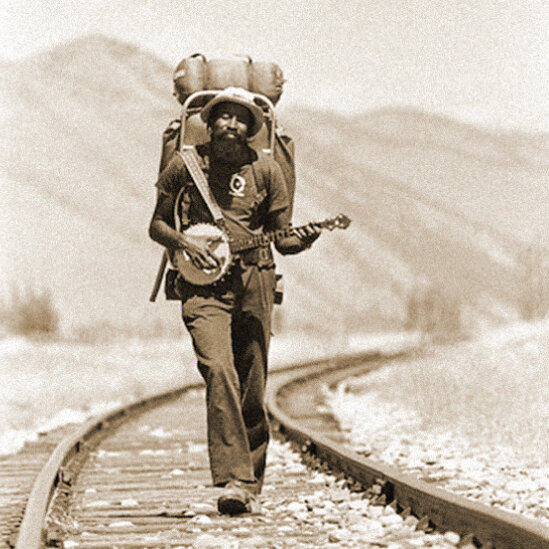
Dr. John Francis
Why would anyone give up motorized transportation—let alone speaking? For a young John Francis, it was a deep personal commitment to combat the negative effects of fossil fuels. After witnessing a tanker collision and oil spill in San Francisco Bay in 1971, 26-year-old Francis began walking anywhere he needed to go, forgoing motorized vehicles. A few months later, frustrated with arguments he was having with friends about his decision, Francis took a vow of silence that would last 17 years. In the next 22 years, Francis walked or sailed across the U.S. and to the Caribbean, Venezuela, Brazil, Bolivia, Argentina, and Chile; founded the environmental nonprofit Planetwalk; and earned a bachelor’s degree, a master’s degree, and a PhD in environment-related subjects. Dr. Francis ended his vow of silence in 1990 by co-authoring federal oil spill regulations, for which the U.S. Department of Transportation honored him with its Public Service Commendation. Today, “the Planetwalker,” as he is widely known, teaches seminars in environmental science at the University of Wisconsin and tells his story anywhere he can, including the TED (Technology, Entertainment, Design) stage in 2008.
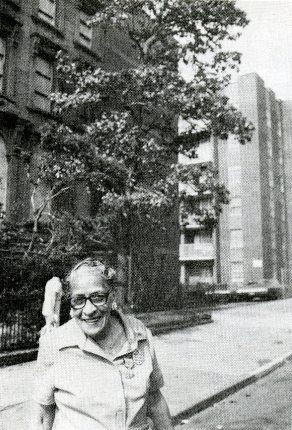
Hattie Carthan
Nicknamed Brooklyn’s “Tree Lady,” Hattie Carthan’s advocacy resulted in the planting of 1,500 trees in her Bedford-Stuyvesant neighborhood of Brooklyn during the 1960s. In her 60s herself, Carthan sought new tree cover both as an environmental and social benefit; amid tensions driven by police brutality in New York City, she saw tree-planting as a way to reclaim her neighborhood rather than abandon it. “We’ve already lost too many trees, houses, and people… your community—you owe something to it,” she’d say in an interview years later. With Carthan as their symbolic leader, 100 neighborhood associations—in conjunction with the city’s parks department—collaborated to plant more than 1,500 ginkos, sycamores, honey locusts, and other varieties by 1970. The city honored Carthan in 1974 with a distinguished service award before her death in 1983.
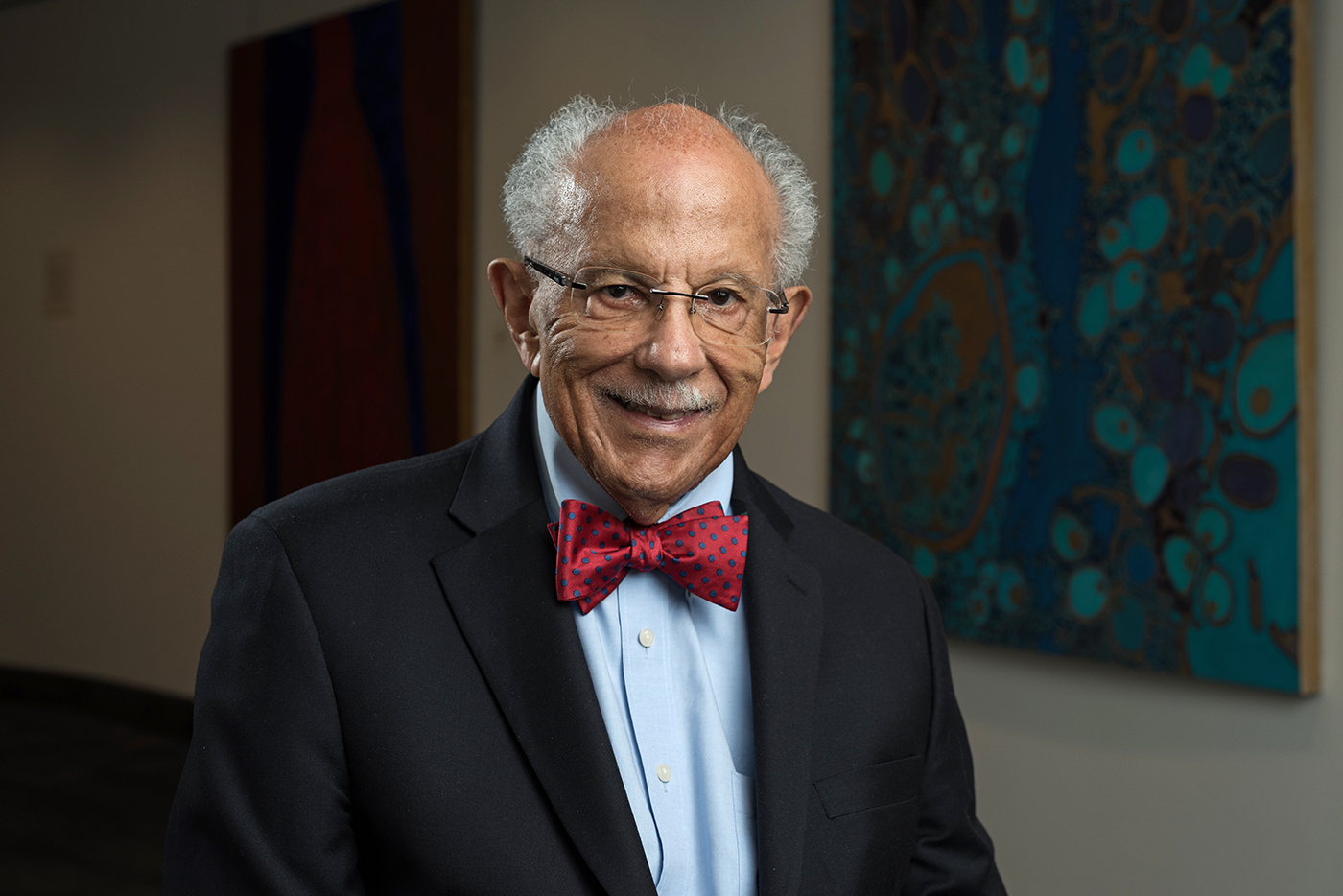
Dr. Warren Washington
Dr. Warren Washington was just the second African American to earn a doctorate in the atmospheric sciences before joining the National Center for Atmospheric Resources (NCAR) as a scientist in 1963. He joined a team that developed groundbreaking computer models that use the laws of physics to predict future states of the atmosphere, helping generations of scientists better understand the ways in which the climate is changing. Washington’s computer models were used extensively in the 2007 Intergovernmental Panel on Climate Change assessment, for which Washington, fellow National Center for Atmospheric Resources scientists, and colleagues around the world shared the 2007 Nobel Peace Prize.
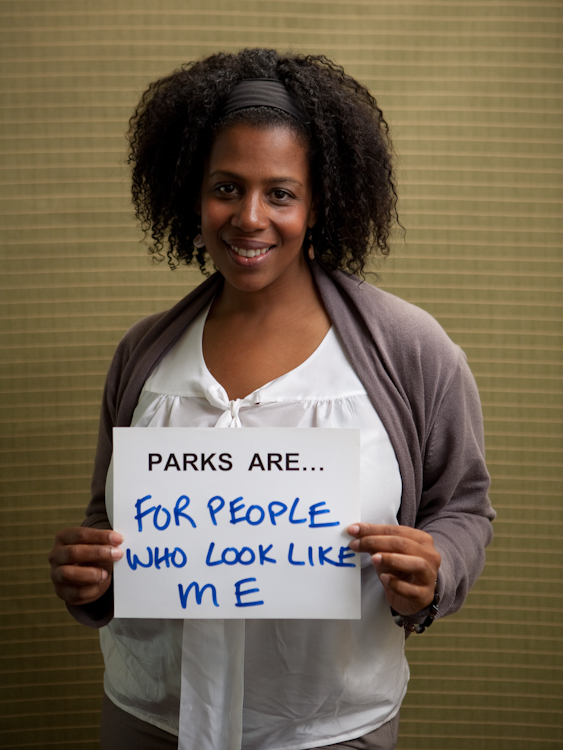
Rue Mapp
Recognizing a need for greater access and representation in the outdoors for Black, Indigenous, and People of Color, Rue Map developed Outdoor Afro in Oakland, Calif., in 2009. It has since grown to a national nonprofit with a leadership team of more than 100 individuals in 56 U.S. cities. Their mission is to share opportunities and build a broader community and leadership in nature. In 2010, at the invitation of First Lady Michelle Obama, Mapp participated in the America’s Great Outdoors Conference and served in a think-tank to assist in launching the First Lady’s “Let’s Move” initiative. Each year, Outdoor Afro connects thousands of Americans to recreation and conservation experiences outdoors, and Mapp remains a highly sought-after speaker and thought leader around access and representation in outdoor spaces.
Robert Taylor
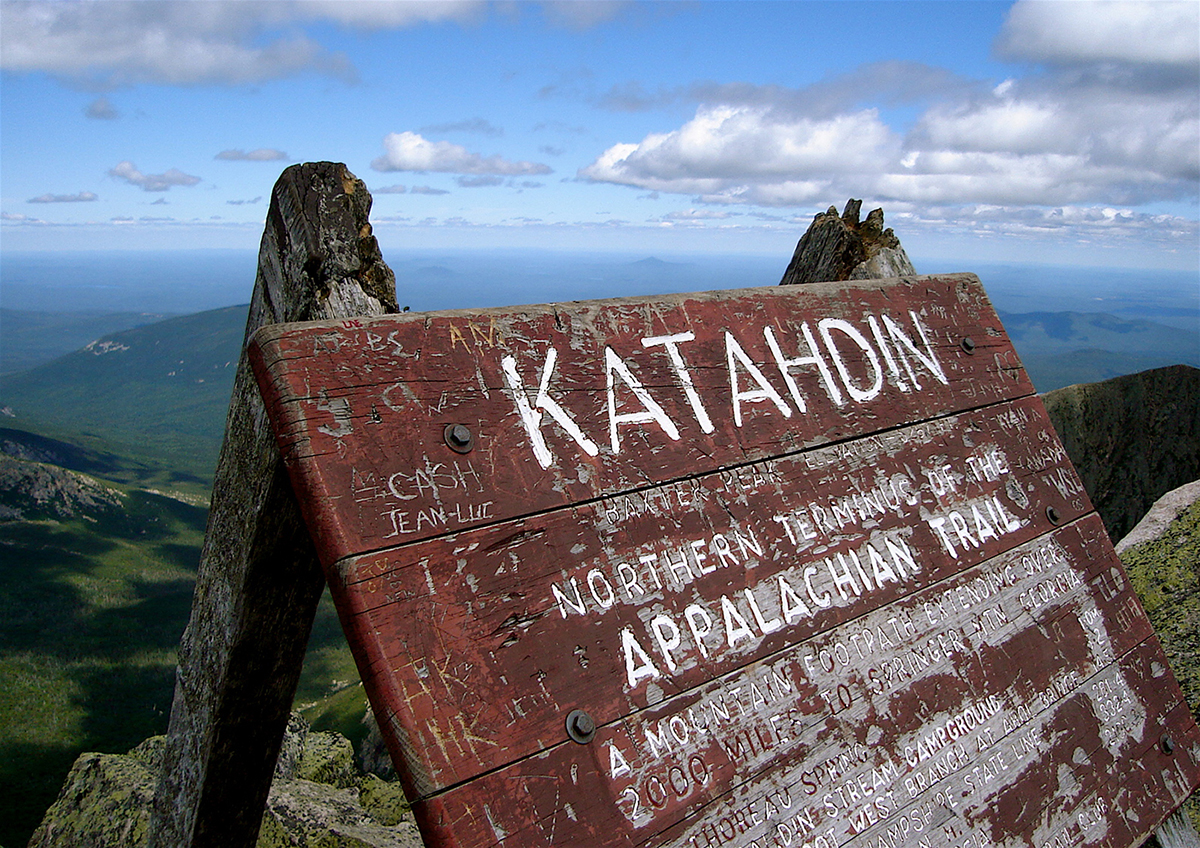
Born in Dayton, Ohio, Robert Taylor showed an interest in backpacking from an early age, even hauling a Boy Scout rucksack all over his neighborhood. After seeing a program on TV about the Appalachian Trail and later reading a magazine article about long trails in the United States, Taylor set out in the 1990s to complete the Pacific Crest Trail. A few years later, Taylor thru-hiked the Appalachian Trail, where he endured disparaging comments, according to an interview he gave Backpacker in 2000. While Taylor’s challenges on the Pacific Crest Trail pertained primarily to weather and wildlife, he often faced ostracism from fellow thru-hikers and residents of the towns he encountered while hiking the A.T. Despite these obstacles, Taylor completed his thru-hikes and is believed to be the first Black hiker to finish both long trails. He remains an inspiration to young hikers across the country.