


Update February 13, 2026 — Yesterday, the Environmental Protection Agency finalized its decision to revoke the endangerment finding, the scientific and common-sense determination that greenhouse gas emissions harm human health and the environment. Without it, the agency no longer has the authority to regulate those emissions, putting critical clean air protections at risk. This is a serious setback for public health and for the outdoors we all share. Our community spoke out against this rollback, and while the decision is disappointing and discouraging, AMC’s commitment to defending the outdoors has not wavered. Join our Conservation Action Network (CAN) to stay engaged and help defend clean air, clean water, and protected lands.
JOIN OUR CONSERVATION ACTION NETWORK

As extreme heat waves, intense rainfall, and wildfire smoke sweep across AMC’s region, the U.S. Environmental Protection Agency (EPA) is taking a dangerous step backward. Its latest proposal, issued on Tuesday, July 29, seeks to overturn a core climate protection—the endangerment finding—which affirms that greenhouse gas emissions harm public health and well-being.
This proposal, if approved, would strip the EPA of its legal and scientific foundation for regulating greenhouse gas pollution, unraveling decades of environmental progress and putting clean air, public health, and the outdoor places we love at risk.
At AMC, we’re calling it what it is: a direct threat to the places we love and the communities who rely on them. By abandoning its responsibility to fight climate change, the EPA is putting adventurers all over the country at risk, including more than 65,000 people who connect to the outdoors through AMC every year.
What is the Endangerment Finding—and Why Is It Critical?
The endangerment finding is a science-based EPA determination that greenhouse gases endanger public health and welfare. This landmark EPA decision didn’t come lightly; it underwent a rigorous, years-long review process, informed by thousands of scientists, public health experts, and millions of public comments.
Finalized in 2009, this finding gave the EPA both the authority and responsibility to regulate greenhouse gas emissions. For over fifteen years, it has been a critical springboard for federal climate policy, enabling the EPA to set policies that protect the air we breathe and landscapes we explore.
“Revoking the endangerment finding would dismantle essential tools for curbing climate pollution and leave our air vulnerable to unregulated greenhouse gas emissions,” says Georgia Murray, AMC’s Senior Scientist. “AMC has documented improved air quality in the White Mountains over nearly four decades, with less automobile smog thanks to Clean Air Act protections, and we believe greenhouse gas regulations under this same law must continue to tackle climate change.”
How Climate Change is Already Harming the Outdoors
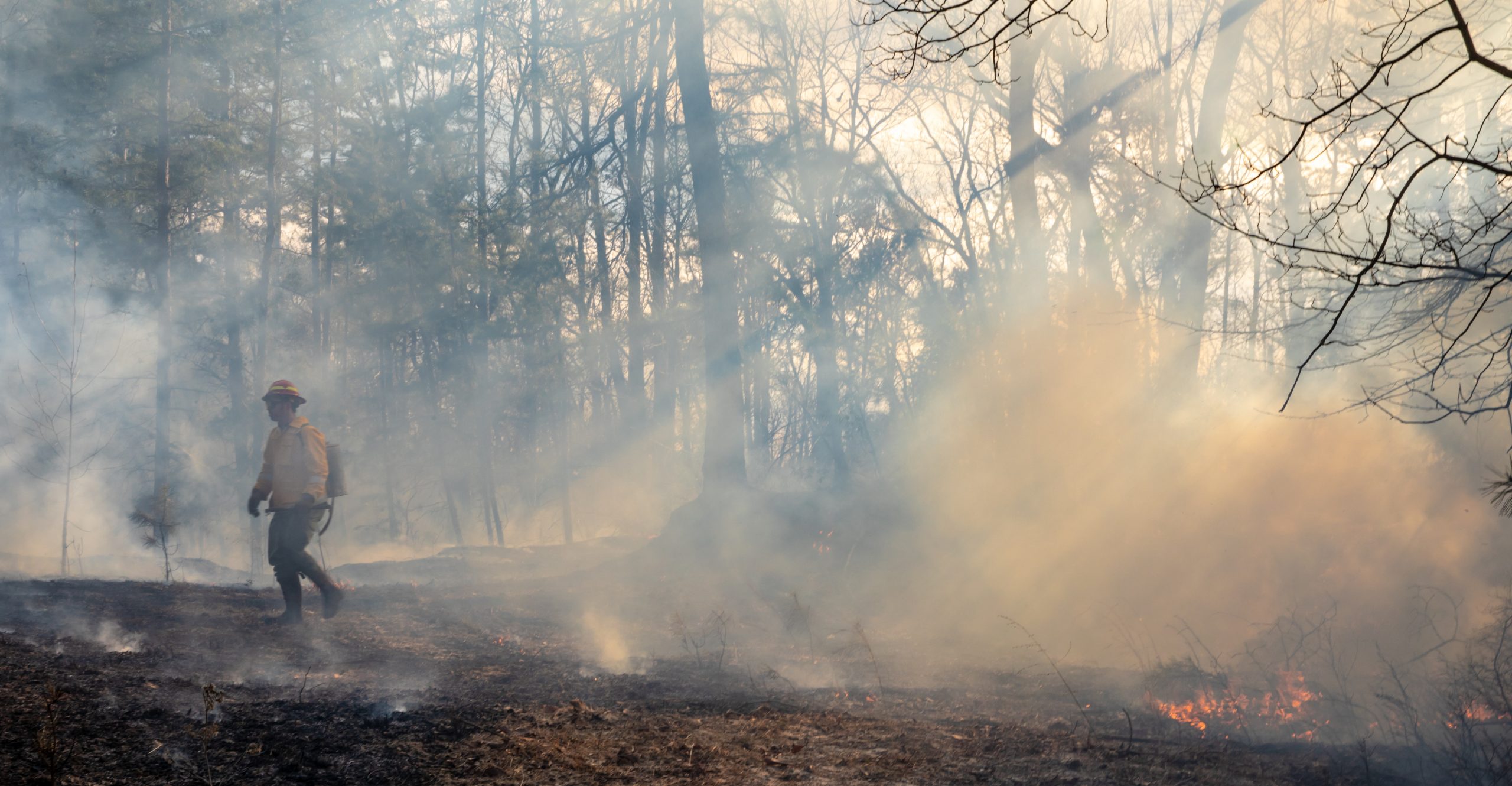
Go outdoors, and you can see the impacts of climate change across the country:
- Excessive heat and poor air quality are forcing hikers, campers, and outdoor workers to reduce activities or even stay inside.
- More intense wildfires are burning larger areas and releasing harmful smoke.
- Invasive insects and diseases are damaging forests and ecosystems.
- Extreme weather events—from storms to floods—are washing out trails and roads.
- Declining snowpack and earlier snowmelt are shortening winter seasons.
AMC scientists have been committed to tracking and documenting climate impacts through our long-term monitoring program in the Northeast. Our researchers and scientists around the world agree that the environment is clearly dealing with far-reaching impacts of climate change, straining the health of our ecosystems.
What is the EPA Proposing Now?
The EPA is proposing to revoke the endangerment finding, claiming that the economic burden of addressing climate pollution through cleaner cars and other tools is more detrimental to the American people than the climate risks of rising emissions. This change would:
- Strip the EPA of its legal and scientific foundation to regulate greenhouse gases
- Roll back all vehicle greenhouse gas standards, the latest of which would have cut those emissions by 44-60% by 2032
- Dismantle the basis for all greenhouse gas standards
- Increase the risk of climate change impacts in the decades to come
Repealing the endangerment finding dismisses scientific fact, devaluing the work of generations of scientists and jeopardizing the health and safety of Americans.
What AMC is Doing to Fight Back
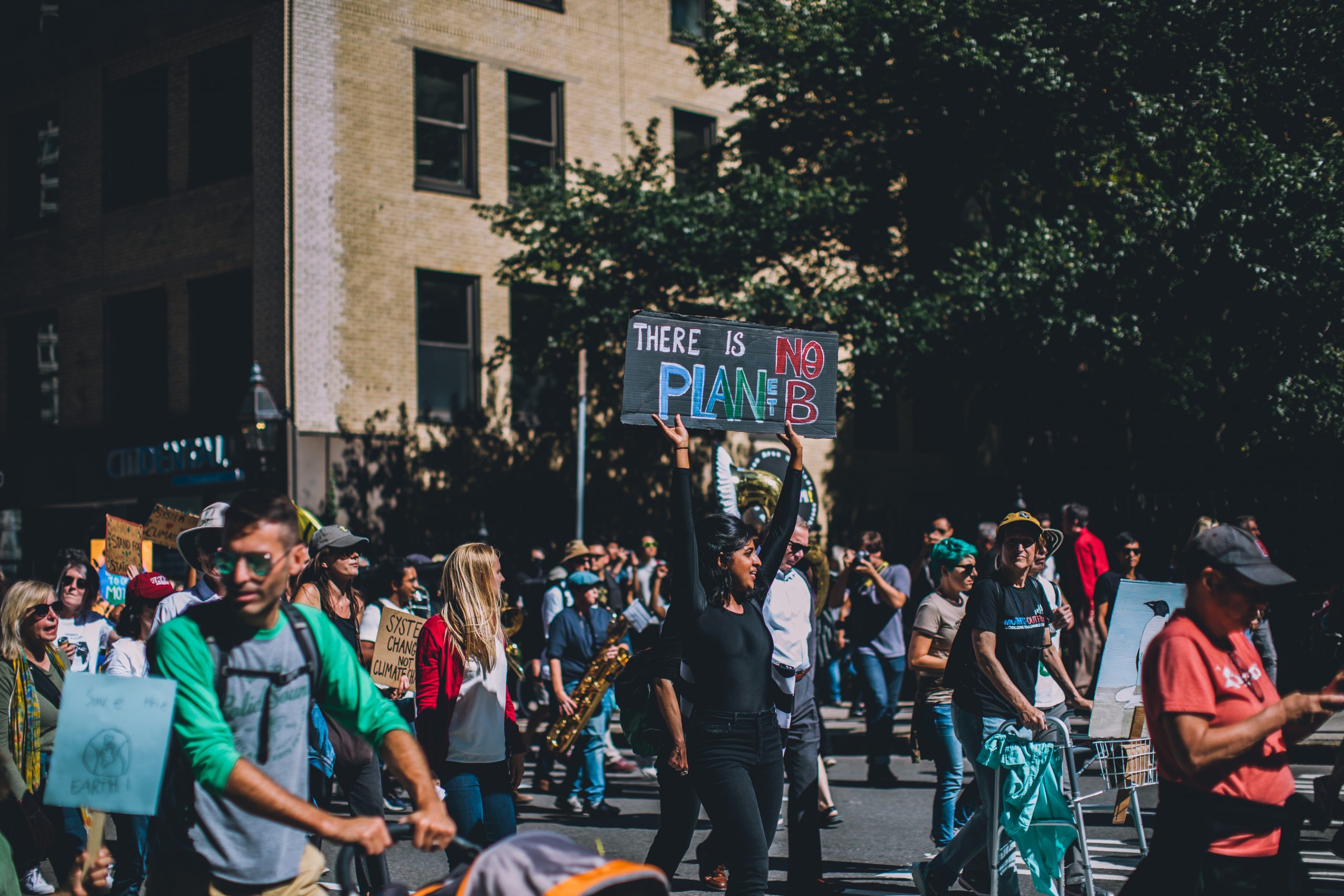
Alongside our broad network of partners and coalitions, AMC is working to oppose harmful policies like these that jeopardize the health of the outdoors. We are tying together our expertise in scientific research, outdoor recreation, and policy to urge decisionmakers to take essential climate action.
“One of the most important things we can do now is raise our voice about the urgency of addressing climate change. Decisionmakers have a responsibility to act to protect the places and outdoor experiences that we cherish,” said Mandy Warner, Senior Director of Policy.
The actions we take or don’t take now will determine the severity of climate impacts, and each of us has an important role to play. We are at a defining moment in our conservation history, and we need to move forward, not backward.
To stay up to date on how you can make a difference advocating for conservation and recreation, subscribe to our Conservation Action Network below.