


We’ve all experienced it before. You show up at a park ready for a day outside, only to find out-of-service water fountains at the visitor center, faded signage making it hard to track your progress on a trail, or dilapidated picnic tables at your campsite. Sometimes, the challenges are more serious, such as unsafe trails, failing water and sewage systems, or limited accessibility that create safety risks and hazards for visitors.
These moments are reminders that the places we love need ongoing care to stay safe, welcoming, and accessible for all.
At the Appalachian Mountain Club, we know what it takes to uphold that responsibility. As stewards of nearly 130,000 acres and more than 2,000 miles of trails, we know that protecting the outdoors means investing in it—for today and for the future. That’s why we were proud to help secure the Legacy Restoration Fund in 2020, and why we’re coming together once again to support its renewal.
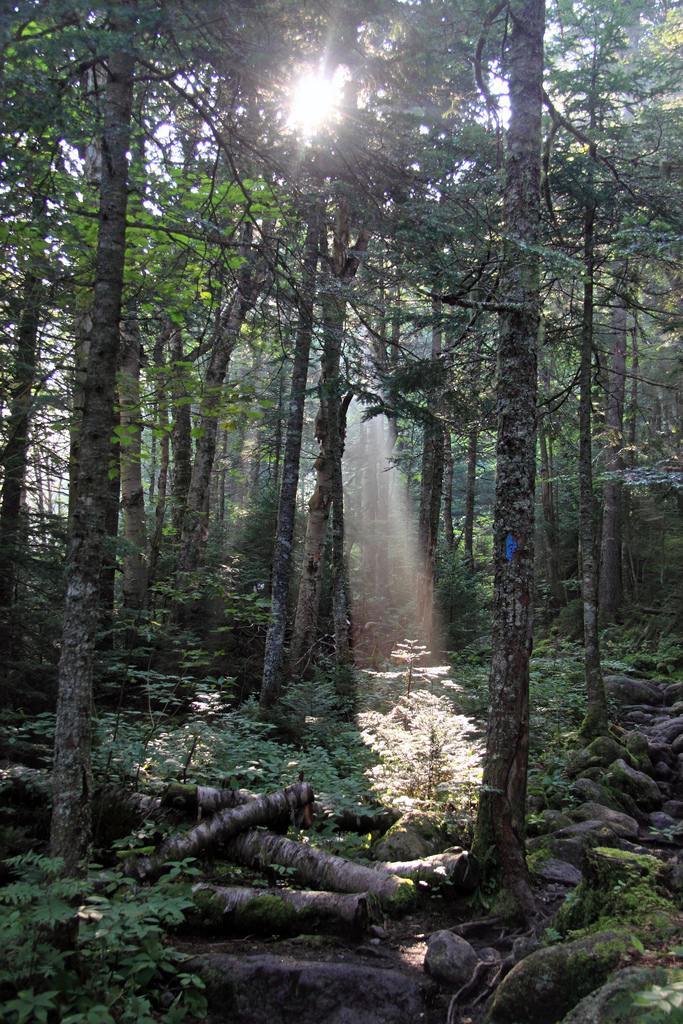
A Proven Solution: The Legacy Restoration Fund
From the rolling hills of Shenandoah to the dense forests of Maine, America’s public lands connect millions of people to the outdoors each year while also supporting critical habitats for wildlife. Yet across these landscapes, an estimated $40 billion in maintenance needs has built up over time, putting both visitor experiences and natural resources at risk.
The Legacy Restoration Fund has been a powerful step forward in addressing the challenges our public lands face. By investing in essential repairs and improvements, the program helps ensure that trails are passable, facilities are functional, and public lands remain open and inviting. This funding has supported an array of projects at visitor centers, campgrounds, trails, water and wastewater treatment facilities, roads, bridges, tunnels, parking lots, employee housing, monuments, and more.
In the White Mountain National Forest, the Legacy Restoration Fund, through the U.S. Forest Service, supported critical work on the Ammonoosuc Ravine Trail. Sections of the trail, once routed along the river, had become severely eroded due to increasingly frequent flooding. With this investment, AMC completed a substantial relocation—moving the trail farther from the river, improving safety, and creating a more sustainable route that will serve hikers for years to come.
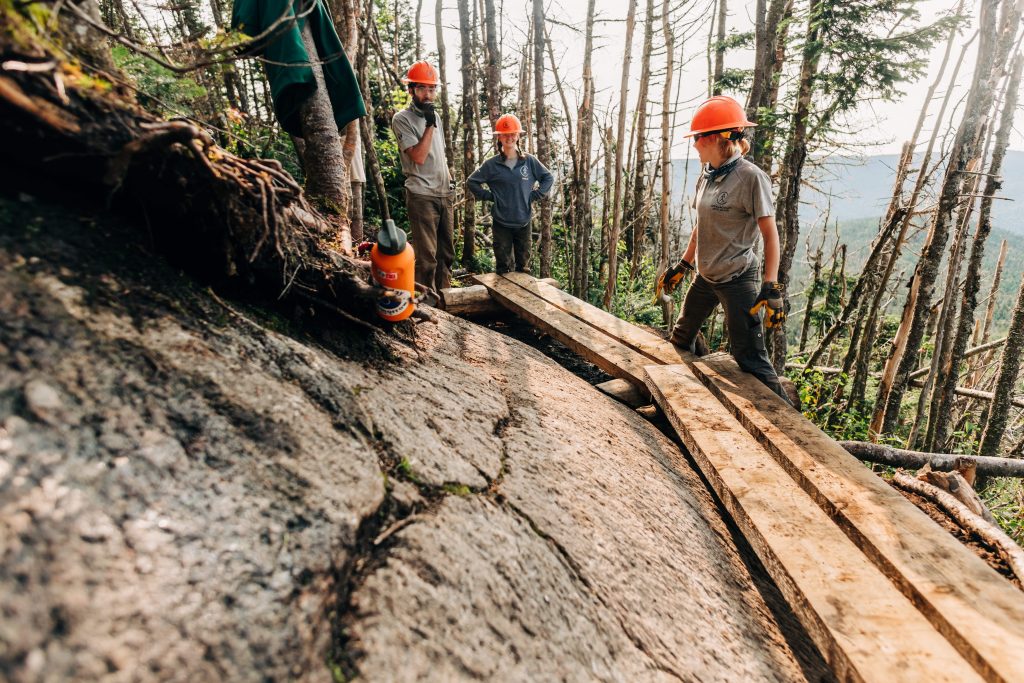
This work has been happening across the country. In just five years, the Legacy Restoration Fund has delivered:
- $9.5 billion invested in critical repair and maintenance needs on public lands
- More than 1,500 projects funded nationwide
- Over 50 Department of Interior projects from Virginia to Maine
When the Great American Outdoors Act was signed into law by President Trump, it authorized the Legacy Restoration and secured a historic commitment to the parallel—and equally important—Land and Water Conservation Fund.
Together, these programs ensure public lands are both preserved and continually cared for. While the Land and Water Conservation Fund addresses land protection and recreation access needs on our public lands, the Legacy Restoration Fund directs funding to address maintenance issues through four bureaus of the Department of Interior—the National Park Service, the Fish and Wildlife Service, the Bureau of Land Management, the Bureau of Indian Education—as well as the US Department of Agriculture’s U.S. Forest Service.
For information about how the Legacy Restoration Fund has directly served your community:
- See fact sheets highlighting what the Department of Interior Legacy Restoration Fund program has done in your state
- Explore an interactive map from the U.S. Forest Service showing all of their projects – including nearly a dozen in the White Mountain National Forest.
Protecting the Places We Love, Together
The work isn’t finished. The Legacy Restoration Fund expired last year, putting this momentum at risk. Now, bipartisan legislation in the Senate, called the America the Beautiful Act, offers a path forward by extending this impactful program for eight years and investing billions more in public lands.
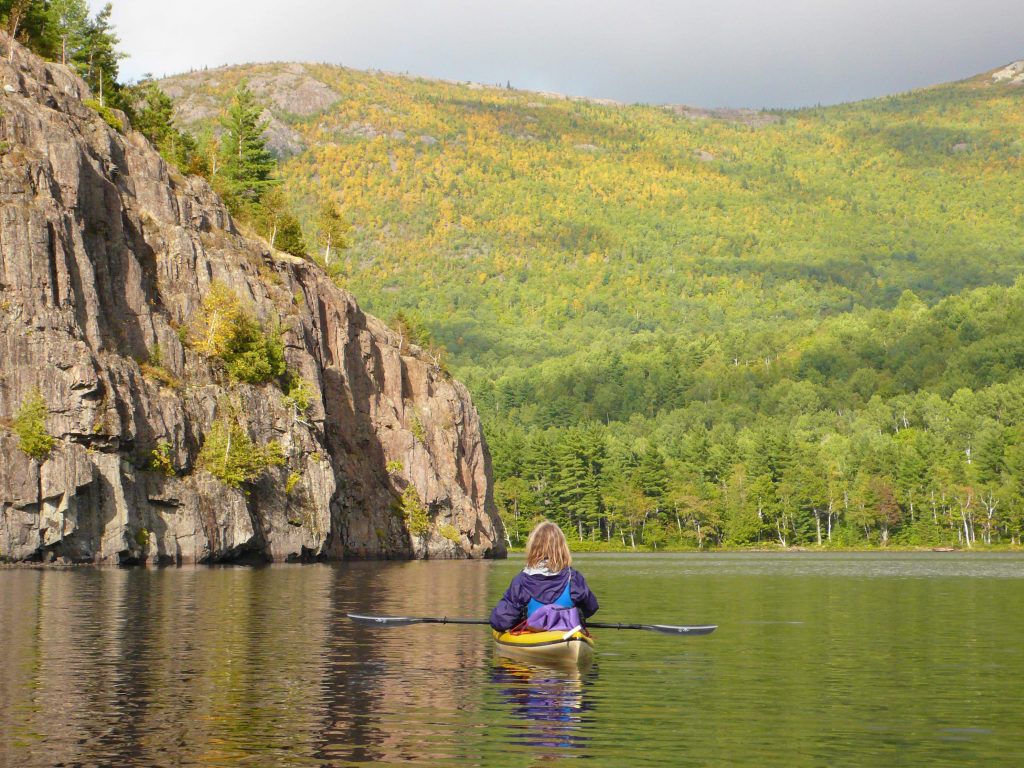
America’s public lands system is world-class. It sets a global standard for how we protect critical landscapes while supporting the many ways people live, work, and recreate outdoors. Yet as visitation grows and infrastructure ages, sustained investment is more important than ever.
The strong bipartisan support behind the America the Beautiful Act speaks to something powerful: the outdoors brings people together. It connects us across communities, experiences, and perspectives. At a time when division can feel front and center, that shared connection matters.
Reauthorizing the Legacy Restoration Fund through the America the Beautiful Act is a practical and meaningful step forward. It supports conservation, strengthens vital outdoor recreation economies, and ensures sustainable outdoor access for hikers, hunters, anglers, paddlers, campers, and more.
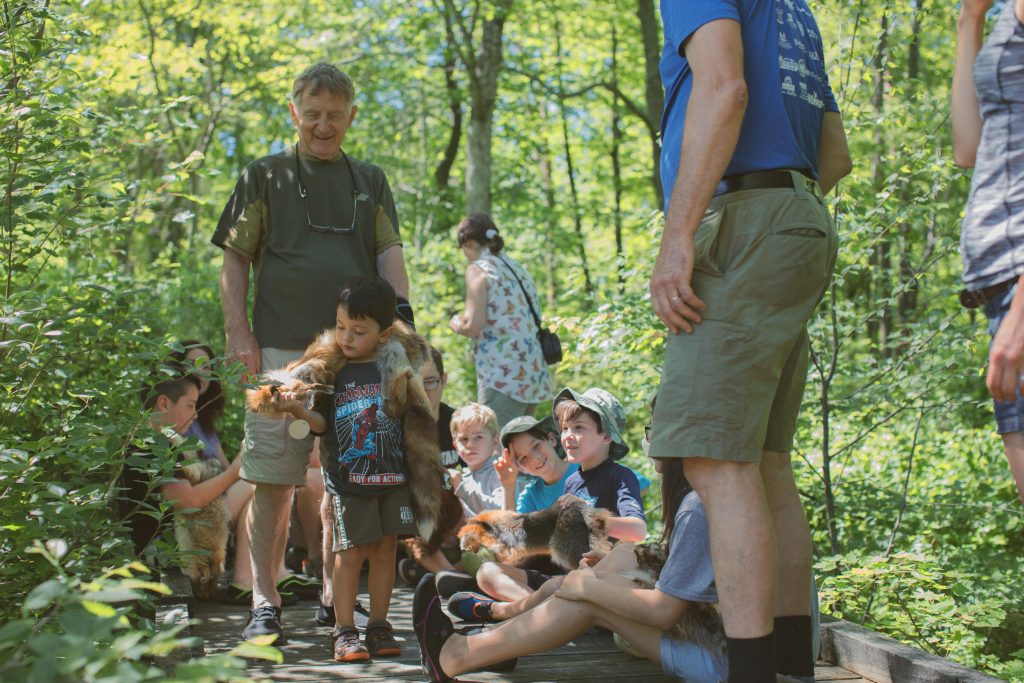
Now is the time to reaffirm our commitment and secure a lasting legacy of stewardship for America’s public lands. Together, we can care for the places we love and ensure they remain a source of joy, connection, and opportunity for all.
Add your voice in support of the America the Beautiful Act and help protect the future of our public lands.