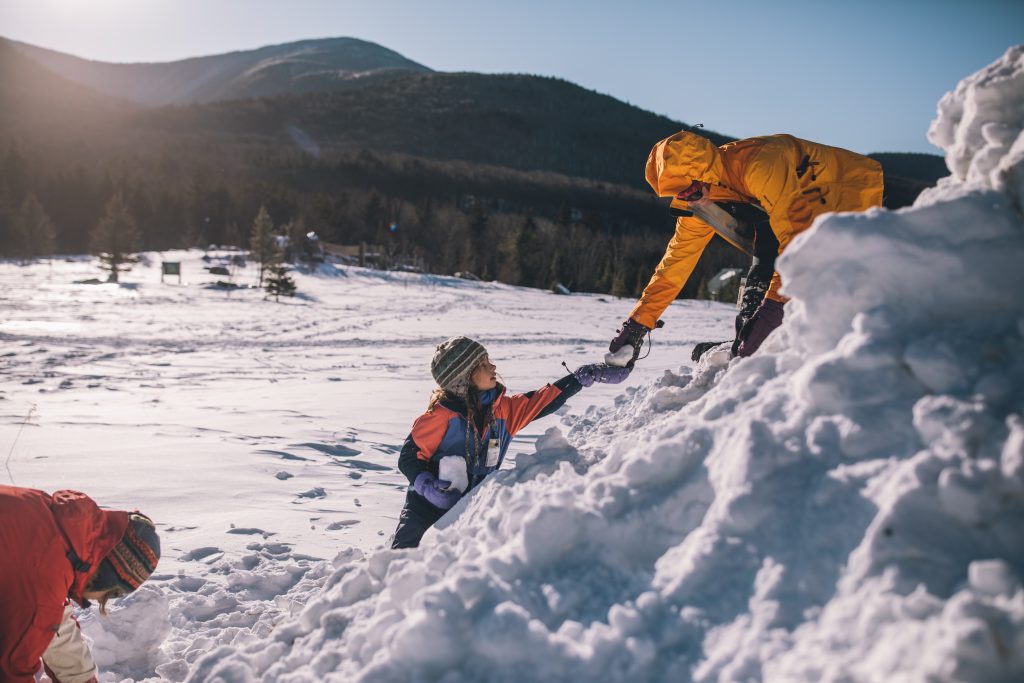
As the old Norwegian proverb goes, “there is no such thing as bad weather, only bad clothing.” Winter brings wind, snow, and sub-freezing temperatures — but that doesn’t mean you need to stay inside. With the right gear and layering system, you can enjoy cold-weather hiking, skiing, or snowshoeing safely and comfortably. The secret? Wearing clothing that helps your body manage moisture, retain heat, and shield against the elements.
When you’re outdoors in winter, your clothing’s job is simple: keep heat in and moisture out. Every layer you wear either supports that goal—or works against it.
Fabric Choice: What to Wear, and What to Avoid
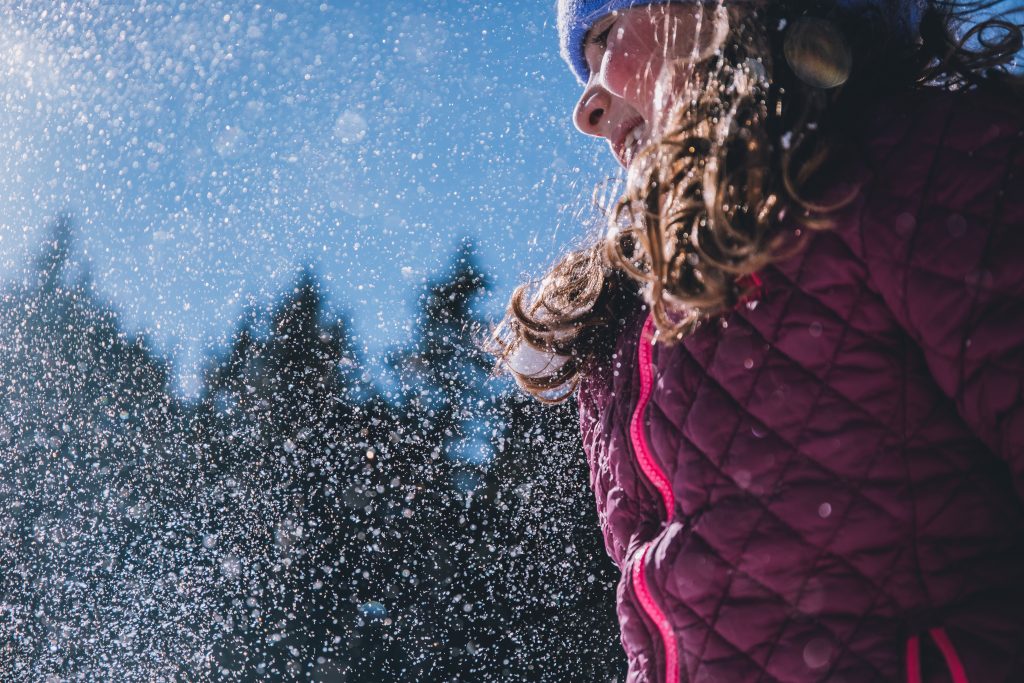
Your body constantly gives off warmth to balance with its colder surroundings. Wind, wetness, and standing still all speed up heat loss. In fact, moisture can pull heat away from your skin up to 25 times faster when you’re wet compared to when you’re dry. That’s why preventing sweat buildup (and choosing the right fabrics) is essential.
There’s a reason seasoned outdoorspeople say “cotton kills.” Cotton traps moisture, and as you sweat or get snowed on, that moisture soaks into fabric and sits on your skin. Instead, reach for fabrics that draw moisture away from your skin and hold heat efficiently, even when wet. All your layers should be made from these non-cotton wicking fibers (underwear, too!):
-
Synthetics like polyester and nylon are good for lightweight, quick-drying wicking
-
Wool works well for natural temperature regulation—even when damp
For insulation, consider your conditions:
-
Down is light and packable but loses its insulating power when wet
-
Synthetic insulation stays warm when damp, making it more reliable in mixed or wet climates
For a deeper dive on managing your temperature in cold conditions, check out AMC’s Essential Guide to Winter Recreation.
The W.I.S.E. Layering System
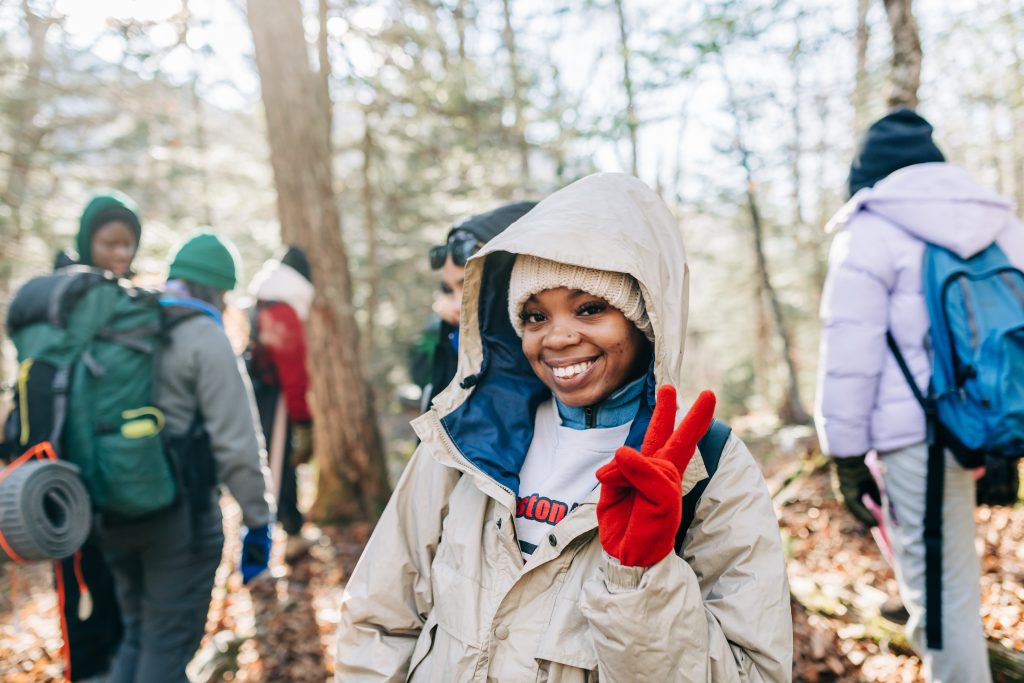
Think of layering like an onion — each layer has a job:
-
Wicking – Base layer next to skin (synthetic or wool)
-
Insulating – Mid layer (fleece, wool, or puffy jacket)
-
Shell/Sheltering – Outer layer (waterproof and windproof)
-
Extra – Backup layers in case of emergencies or major temperature drops
And, of course, don’t forget the essentials: a warm hat, waterproof gloves, wool socks, and insulated boots. Check out AMC’s Winter Hiking Essential Gear List for a comprehensive guide on what to wear.


“Be Bold, Start Cold” (and Adjust As You Go)
To prevent moisture off the bat, use “be bold and start cold” as a rule of thumb. If you’re warm before you hit the trail, you’re probably overdressed. Start your adventure feeling slightly chilly—you’ll heat up fast once you move. Carry extra layers in your pack to add when you stop for breaks or when weather shifts.
Winter layering is a dynamic process, and part of the winter outdoor experience is the constant game of stopping to layer up and down. If you feel hot or start sweating, shed a layer before you soak through. If snow or rain picks up, add a waterproof shell before your insulation gets wet.
Feeling overheated even in your base layer? Slow your pace and take shorter, more frequent breaks for snacks and water to help regulate your temperature.
Eat and Drink to Stay Warm
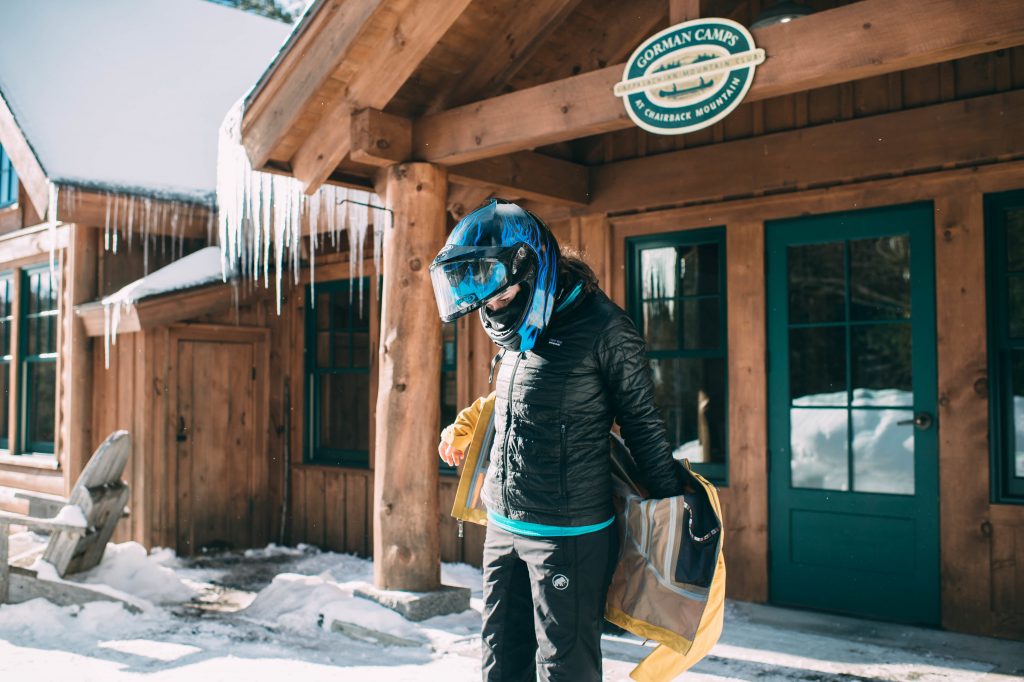
Even the best layering system won’t work if your body runs out of fuel. When you’re active outdoors in winter, your body burns calories faster as it works to keep you warm. Eating high-calorie, nutrient-dense foods and drinking plenty of fluids are key to maintaining warmth and energy all day long.
Think of your food as part of your layering system—it keeps your internal furnace running. Pack high-calorie snacks that combine carbs, protein, and fat to provide both quick and sustained energy.
Good trail options include:
-
Nut butter packets, trail mix, or energy bars
-
Cheese, jerky, or hard-boiled eggs
-
Crackers, chocolate, or dried fruit
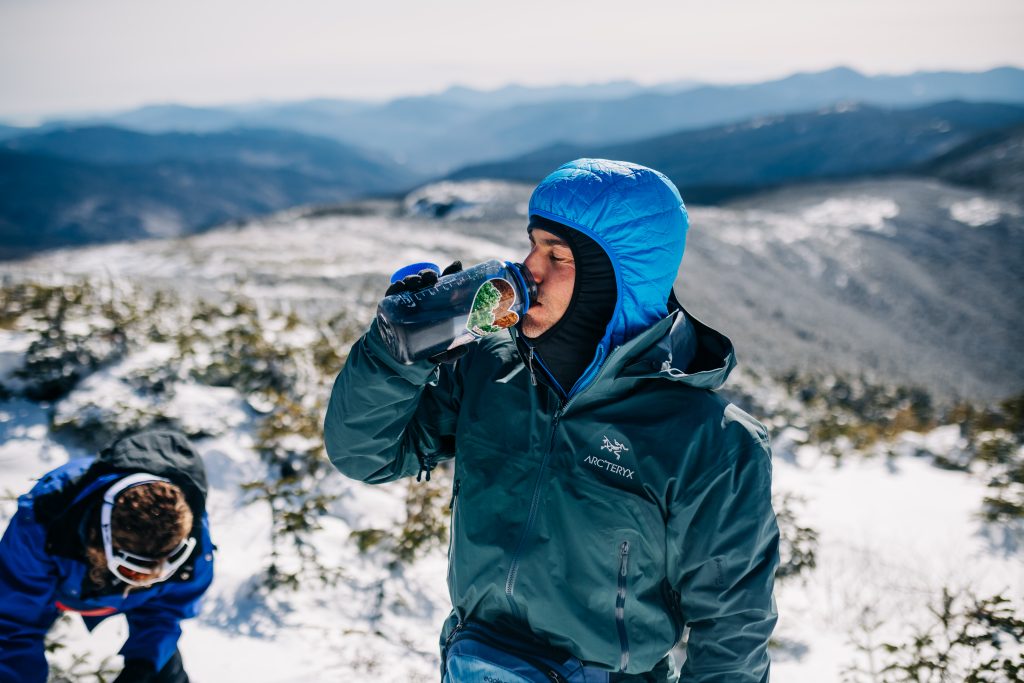
Aim to eat small amounts every hour to maintain steady energy and heat production, rather than saving it all for one big meal. And cold air is deceptively dehydrating—you lose moisture through your breath and sweat, even when you don’t feel thirsty. Drink warm water or tea regularly, and consider using an insulated bottle to prevent freezing. Electrolyte mixes or warm broth are great options to replace lost salts and boost body heat.
Pro tip: Avoid alcohol while recreating outdoors—it may make you feel warm, but it actually lowers your core temperature and increases dehydration.
Get Expert Advice from AMC
Building your perfect layering system takes time and experimentation. Test different fabrics and fits, and make sure your layers work together without restricting movement.
At AMC, we can help:
-
Test demo gear at select lodges
-
Get outfitted with guidance from staff at any of AMC’s lodges or huts
-
Join an AMC Winter Activity for hands-on instruction from experienced AMC guides and volunteer leaders