


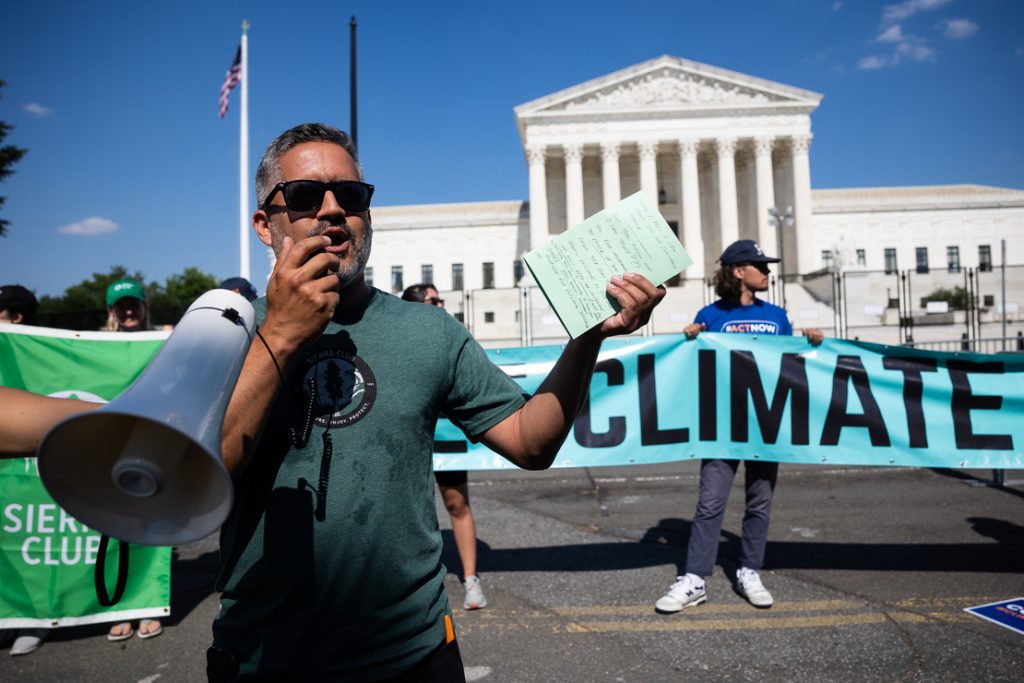
Photo courtesy of Ramon Cruz.
AMC board member Ramón Cruz is the former President of the Sierra Club and has over 25 years of experience intersecting the fields of sustainability, environmental policy, urban planning, energy and climate change. He has worked in the public sector as the Deputy Director of the state environmental regulatory agency in Puerto Rico and held senior positions at the Environmental Defense Fund, the Partnership for New York City and the Institute for Transportation and Development Policy. A visiting professor at Princeton University, he splits his time between Puerto Rico and New York City.
AMC’s Jenny O’Connell sat down with Ramón to talk about how connecting people to the outdoors is essential for the future of our climate and environment, and how AMC is well positioned to have an impact. This interview has been edited for length.
Jenny: Tell me a little bit about your connection to the outdoors. What do you love about it? What are your favorite ways to get outside?
Ramón: I often talk about this extended family house in the mountains close to the rainforest in Puerto Rico where we would celebrate all the important dates. It was surrounded by nature and trees, and a protected area nearby. It was a beautiful landscape, but ultimately it was about bringing community and family together.
I was also a Boy Scout, and my mom was a leader in the troop. I love camping. She was a big influence—she was also a marine biology teacher and had an ecology club in the school that I went to. Now I’m a sailor, and I hike. I’ve done backpacking all over South America, South East Asia, Europe and Greenland, and cycling trips around Denmark and Japan. I cannot imagine my life without the outdoors, although I’m very urban and I like cities. But I need the outdoors to recharge and to keep balance.
Jenny: What brings you to the work you do on AMC’s Board of Directors?
Ramón: It’s a way to still be connected to the outdoors in New York, where I spend a lot of time, and to a conservation organization. There’s alignment between AMC’s mission and my personal values. It’s a way to give back, to exercise leadership, and to focus on issues that can help the organization.
Jenny: Tell me about these issues. What excites you about AMC’s future? What are your hopes for the organization?
Ramón: At the moment, so many of the values that I have worked for are at risk. And that’s troublesome. But AMC has a plan, and it’s proactive and community-centered and climate-aware. I think the emphasis on expanding access to the outdoors is very necessary. Partnering with communities and populations that have not been able to enjoy these spaces that we want to preserve. And ultimately, mobilizing volunteers to fulfill the mission.
Connect People to the Outdoors
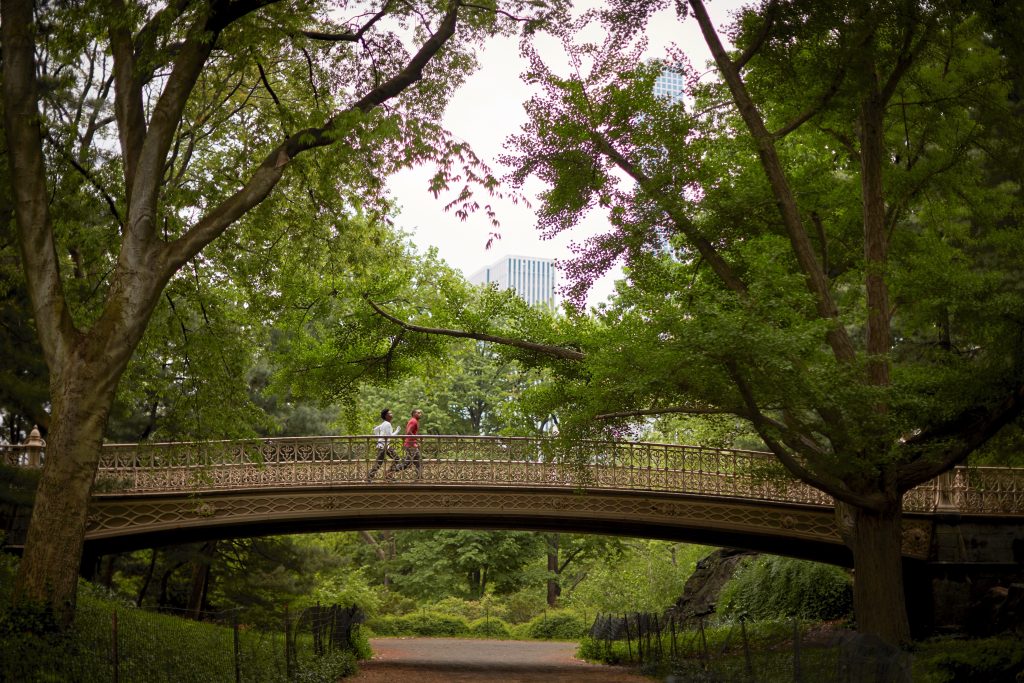
Central Park, New York City, New York. Photo by Dennis Welsh.
Jenny: You were just at the COP30 climate summit in Brazil, right? As somebody who’s deeply involved in the climate movement, I’m curious how you see AMC positioned to address the issue through conservation.
Ramón: Take the Barnard Forest in Maine’s 100-Mile Wilderness for example—conservation is part of a mix of things that can equip society and humanity with the tools to deal with the most existential threat to our future. It’s not that we don’t have the know-how, the technology, or the resources. We need political will. I think the best way that we can be part of that huge battle is to create more awareness, to educate people, and to make people excited about the outdoors so they will elect decision-makers that have conservation goals as part of their priorities. This is not a partisan issue. It involves everybody.
Jenny: Considering the uncertainty around federal funding for conservation right now, why is it important to invest in organizations like AMC?
Ramón: It’s important that people realize that even though enjoying nature should be a human right, we cannot take it for granted. We need the active support of people to make that happen. When we think of the legacy that we would like to leave future generations, this has to be part of it–not only the wish, but our actions and where we put our money and our attention.