


From New Hampshire’s Mount Moosilauke to Vermont’s Mount Equinox, AMC Postdoctoral Research Fellow Morgan Southgate is gearing up to spend early spring days in the forest, watching for the season’s first wildflowers to appear. By tracking details like when trout lilies reach peak bloom and when the last leaves of wild leeks die back, Morgan studies how seasonal patterns of wildflower development are shifting in response to climate change.
These small, seasonal shifts tell a much bigger story.
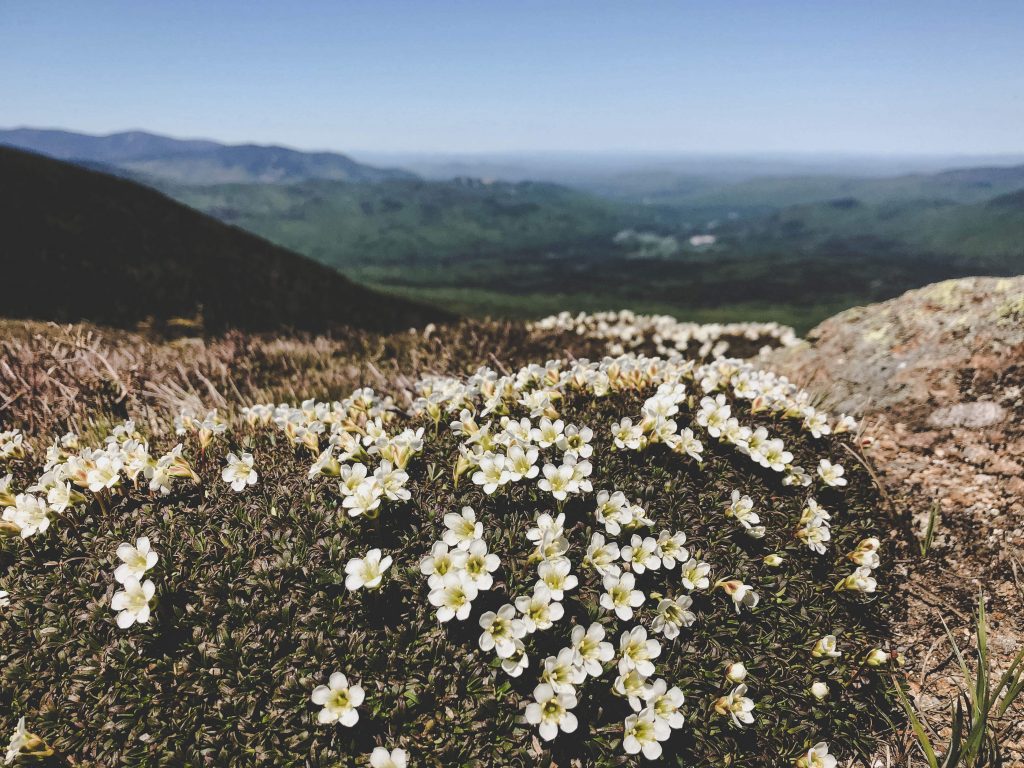
Alpine Garden Trail, Mt. Washington. Photo by Emily Davenport.
Across the Appalachian Trail corridor, even a one-degree change in average annual temperature can disrupt ecosystems that rely on precise timing. When plants bloom earlier or later than expected, the ripple effects reach pollinators, wildlife, and entire habitats.
But when your study area stretches across more than 250,000 acres, no single researcher can see it all.
That’s where the AMC community comes in.
With help from more than 11,000 AMC community members, Morgan and AMC’s Research team are building powerful data sets that span the length of the Appalachian Trail corridor. Nature lovers across our region are exploring, learning, and contributing valuable observations about the outdoor spaces they care about most.
Ready to join them? Here’s how photos from your outdoor adventures can double as climate research:
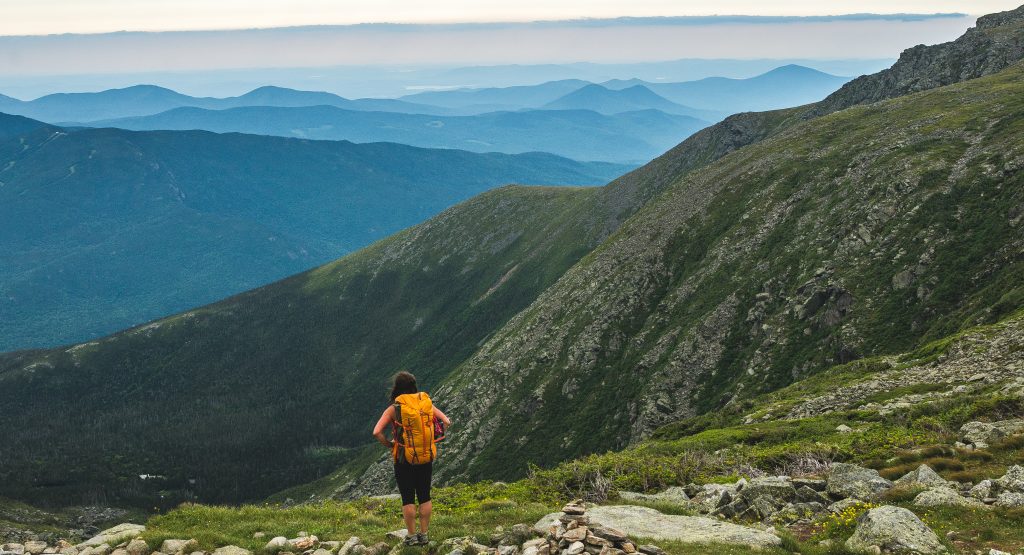
White Mountain National Forest. Photo by Chris Shane.
Answer Your Outdoor Questions While You Explore
Curiosity comes naturally outdoors. And with the iNaturalist app, answers are just a photo away.
Spot tracks in fresh snow? Wondering what wildlife live in your backyard? Not sure which wildflower just caught your eye? Snap a picture and let iNaturalist connect you with a global network of community scientists who help identify what you’ve found.
Even better, every observation you upload contributes to community science projects that support AMC and our conservation partners. Your curiosity helps grow collective knowledge, both locally and globally.
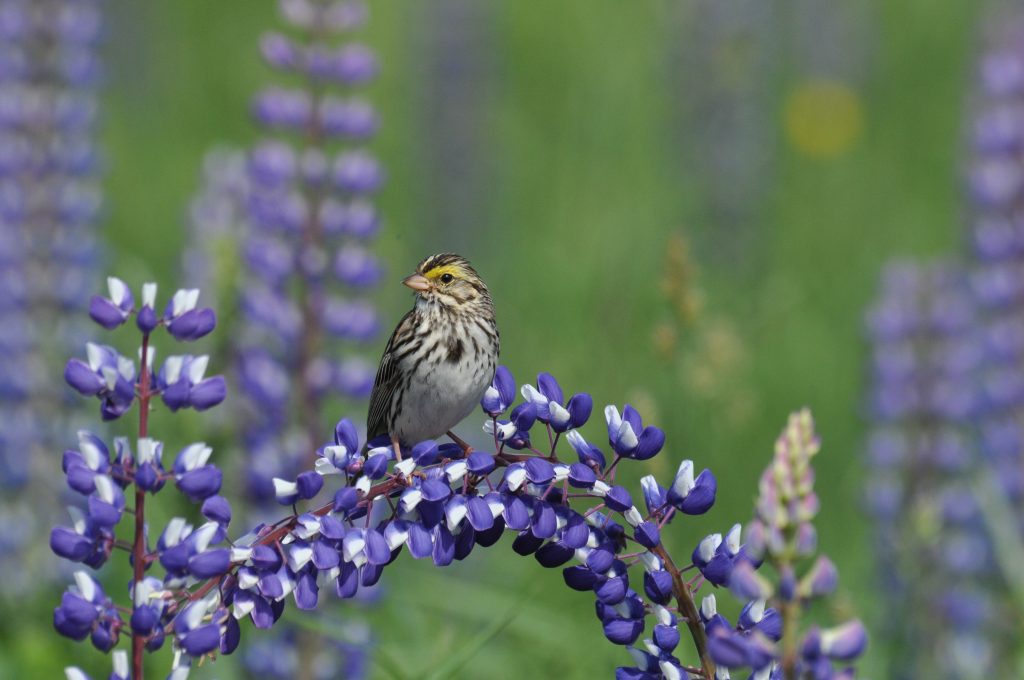
2014 AMC Photo Contest entry. Photo by Watson Betts.
Here’s how to get started:
1. Download iNaturalist
Download the free iNaturalist app and create your account before you hit the trail. Be sure location services are enabled so your observations include accurate coordinates. Precise data helps our Research team better locate species and track seasonal patterns.
2. Photograph What You See
Use the app to photograph flowers, wildlife, fungi, or other species you encounter. To get the most out of your photos, try capturing the whole plant or animal. If possible, get a close-up of any flowers or fruit too. This makes sure AMC’s Research team can use your observations to track changing growing patterns and behaviors.
No cell service? No problem! You can still create iNaturalist observations without it. The app will sync once you’re back in range!
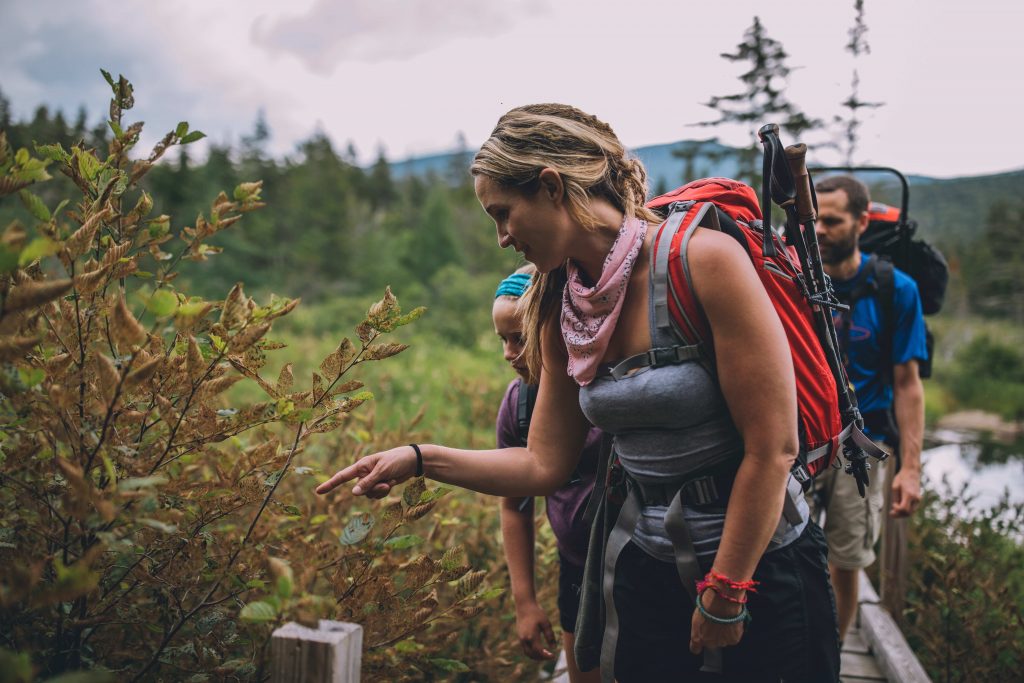
AMC Family Adventure program. Photo by Paula Champagne.
3. Join AMC’s Projects
Want to make sure your observations help AMC researchers? Start by joining AMC’s Flowers and Fauna along the Appalachian Trail Corridor project. Be sure to select “allow researchers to see coordinates” so we can fully use your data.
Take a moment to explore the project page and discover the nearly 73,000 observations AMC’s iNaturalist community has already made. You’ll find everything from red-tailed hawks to pink lady’s slippers to luna moths.
You can also join:
- Northeast Alpine Flower Watch
- AMC Maine Woods
- New England Trail Nature Watch
- Flowers and Fauna in Harriman State Park, NY
- Flowers and Fauna of the White Mountains National Forest
Observations not posted to our projects are still available for research, so even if your observations aren’t in the areas of focus for AMC’s projects, you can still help further critical climate and biodiversity work. Keep snapping photos and sharing what you find while you explore the outdoors.
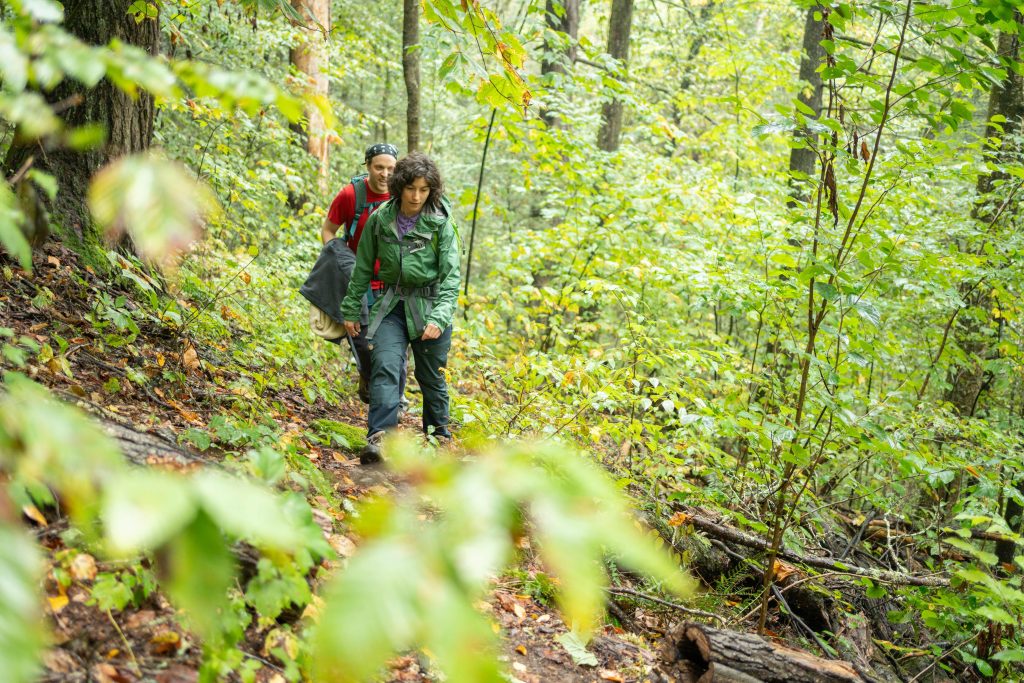
AMC Noble View Outdoor Center. Photo by Hamie Malcolm-Brown.
Feeling inspired and ready to take on a fun challenge? In celebration of AMC’s 150th birthday, join the AMC 150 iNaturalist Challenge.
The first 150 participants to reach 150 observations will win a limited-edition patch. Once you’ve created an iNaturalist account, all you need to do is register for the challenge and get outside with your camera!
After you sign up, we’ll reach out to get your iNaturalist username and follow your progress as you work toward 150 observations.
Join the AMC 150 iNaturalist Challenge
How Your Photos Power AMC Research
When you upload a photo to iNaturalist, you’re doing more than documenting a moment. You’re creating a scientific record, tied to a specific place and time.
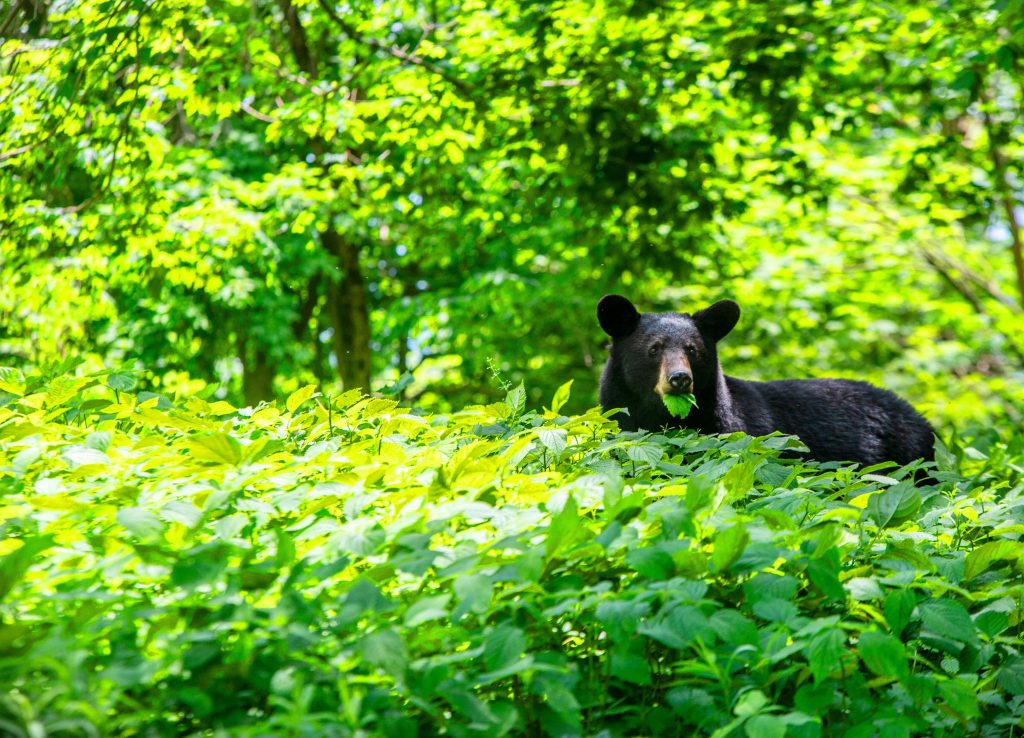
2020 AMC Photo Contest entry. Photo by Carly Geraci.
AMC scientists use these records to track how plants, pollinators, and animals are responding to a changing climate across the Appalachian Trail corridor. With your help, Morgan and the Research team can study patterns across the full 250,000-acre landscape.
Your observations also help AMC’s Research team determine whether certain places are more resilient to climate change—also known as climate refugia. These areas can act as safe havens for species as temperatures rise. By understanding which places are more resilient, AMC can prioritize conservation action where it will have the greatest long-term impact.
But that’s not all. Your observations also tell us which species will be the most vulnerable to climate change. Every living thing fills a unique niche in its local ecosystem, shaped by its relationship to the environment and to other species. When one vulnerable species declines, the effects can ripple outward, disrupting the balance of an entire ecosystem.
By identifying which plants and animals are most sensitive to even small temperature shifts, AMC and other conservation partners can act early. That insight allows us to focus protection efforts where they’re needed most, safeguarding not only individual species but the interconnected systems that depend on them.
That’s why every observation matters.
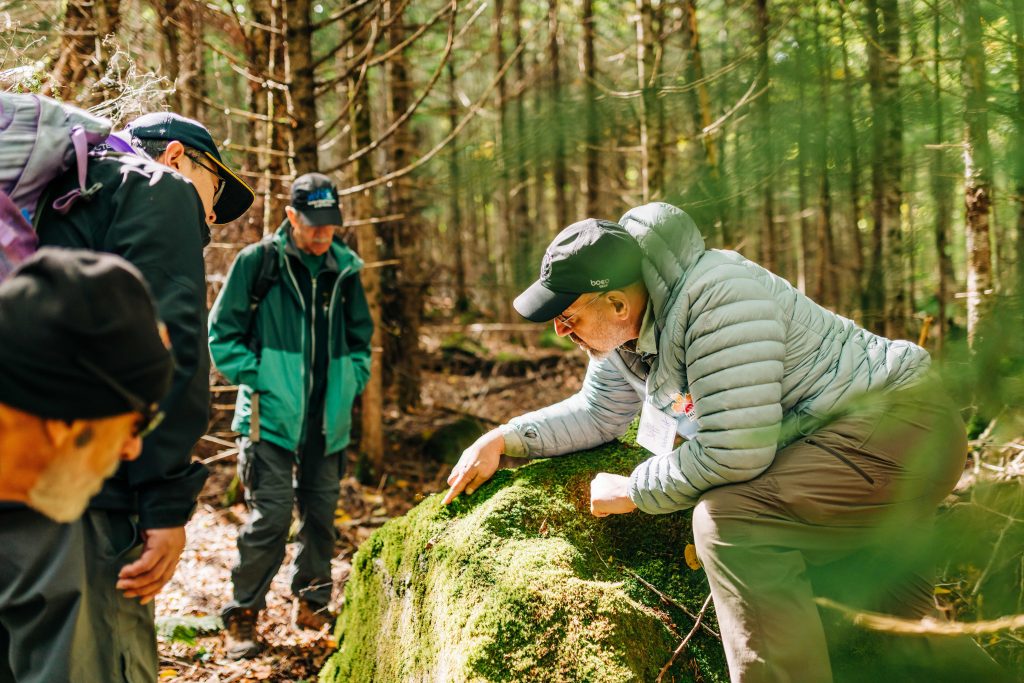
Crawford Notch, New Hampshire. Photo by Corey David.
Whether your photo comes from an alpine summit or your own backyard, you’re helping build the evidence AMC needs to make bold, informed decisions that protect the outdoors we all share.
By making observations of the outdoor places you explore, you are putting hope for the future into action and advancing meaningful climate action.