
• Skip to main content
  • Skip to footer

Appalachian Mountain Club (AMC)

Weather Become a Member Booking Book a Stay Net Zero Emissions Donate Shop Shop Contact Contact Us
Search
  • Destinations
    • Maine
    • Massachusetts & Connecticut
    • New Hampshire
    • High Mountain Huts
    • New Jersey & New York
    • Western US
    • Group Reservations
  • Adventures
    • Adults
    • Women’s+
    • Teens
    • School Groups
    • Guided Trips
    • Adventure Travel Worldwide
  • Get Involved
    • Become a Member
    • Renew Your Membership
    • Become a Volunteer
    • Donate
    • Support Your Trails
  • Community
    • Chapters
    • Major Events
    • Local Outings
    • Outdoor Skills & Leadership Trainings
    • Outdoor Journey Fund
  • Conservation
    • Our Priorities
    • Our Approach to Conservation
    • Maine Woods Initiative
    • How You Can Help
    • Trails & Recreation Management
    • StoryMaps
  • Resources
    • AMC Outdoors Blog
    • Bucket List Trips
    • Books & Maps
    • Appalachia Journal
    • Library & Archives
    • Weather & Trail Conditions
    • FAQs
  • About Us
    • Leadership & Financials
    • All Out: AMC Action Plan 2025-2030
    • A Welcoming Community
    • Careers
    • Brand Partners
    • Contact Us

Support the Outdoors

Other Ways to Give

  • Membership
  • Volunteer
  • Memorial and Honorary Gifts
  • Legacy Giving
  • Special Initiatives
  • Corporate Sponsorship
  • President’s Society
Close support popup
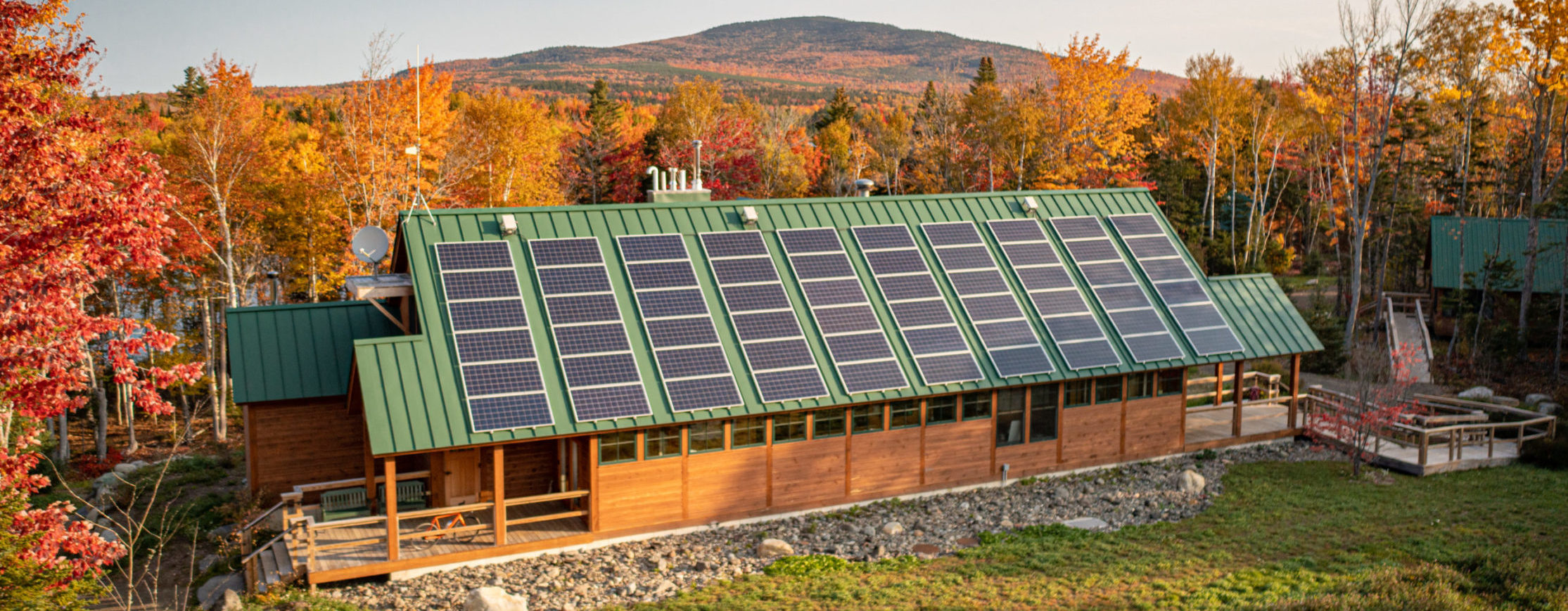
Oct. 9, 2021. AMC Medawisla Lodge and Cabins, Maine Woods, Maine-- Photo by Isaac Crabtree.

Net Zero Emissions

AMC is developing a pathway to become net zero.


The Appalachian Mountain Club has long recognized the environmental impact of our operations and the responsibility we hold as stewards of the outdoors. In alignment with the latest scientific consensus and the Intergovernmental Panel on Climate Change (IPCC) recommendations, we committed in 2019 to reaching net zero greenhouse gas emissions by 2050. As part of this commitment, we’ve set an interim goal of reducing emissions 45% below 2010 levels by 2030.

Net Zero Strategic Planning & Reporting

Our sustainability work is grounded in accountability. Since 2003, the Appalachian Mountain Club has tracked its operational carbon footprint—from heating and electricity to vehicle use. Early on, we adopted the then-IPCC target of reducing emissions 80% below our 2004–2005 average by 2050. Today, that ambition continues through our net zero strategy and commitment to transparent reporting.

To guide our efforts, we released a Net Zero Strategic Plan in 2022—our blueprint for transforming how we produce, consume, and conserve energy across all AMC facilities and operations. This plan outlines 12 goals and 43 strategies that serve as our roadmap toward a more sustainable future.

Learn more about our strategic planning, emissions inventories, and progress:

Net Zero Strategic Plan
Summary Full Report Appendix
Annual Summit, January 2022
Watch the Recording
2024 Net Zero Annual Report
View the 2024 Report

2025 Progress Update

From the desk of Jennifer Natyzak, AMC's Director of Sustainability

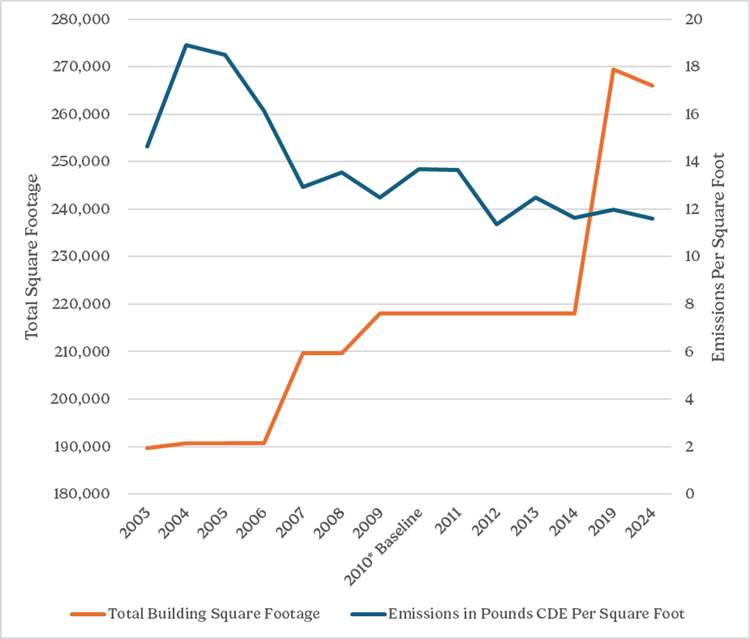
In the last decade, our building area has increased by 18%, but we’ve kept our carbon emissions footprint about the same. This demonstrates our improved efficiency; we are producing fewer emissions per square foot (measured in carbon dioxide equivalent, CDE). It’s a hopeful indicator that we’re making progress toward a more sustainable future. Learn more about our latest emissions and efforts in the reports above.

Building Emissions

Our Net Zero Approach

Policy, Practice, and Participation

Building on our Net Zero Strategic Plan, the Appalachian Mountain Club is taking a multi-faceted approach to sustainability. From policy and advocacy to on-the-ground action, these efforts reflect our commitment to reducing emissions, protecting landscapes, and empowering our community to be part of the solution.

Climate & Energy Policy
Green Lodging Practices
Participation in Action

AMC’s Energy and Climate Policies were updated in 2021, building operational net zero and advocacy efforts on the framework of climate change.  These policies continue to guide AMC’s public positions and advocacy on energy and climate issues as the world transitions to a net zero carbon economy and help us find the appropriate balance between supporting the development of renewable energy and protecting the natural landscapes that are at the heart of our mission.

The policies’ “Guiding Principles” lay out AMC’s values. Our internal activities and climate and energy policy engagements will be based upon the following principles:

  • Reduce greenhouse gas emissions.  
  • Set net zero climate targets and develop roadmaps.
  • Promote transparency in tracking and reporting.
  • Support carbon offsets and carbon sequestration technologies.
  • Avoid unnecessary impacts with best available practices and technology.  
  • Mitigate for unavoidable resource impacts.
  • Develop decommissioning plans.
  • Conduct a transparent and robust stakeholder engagement process.

The net zero policy has two major components. First is a commitment to track and publicly report our emissions and our progress in reducing them. Second is a “Carbon Mitigation Hierarchy” that sets forth the strategic approach to reducing our organizational emissions.

The Carbon Mitigation Hierarchy has three levels:

  1. Avoid and reduce emissions from transportation and buildings through energy efficiency and conservation.
    This ranges from low-cost or cost-saving endeavors that should be used as first-choice solutions to major capital investments in building systems and vehicles. This includes transitioning building heating and vehicles away from fossil fuels to electricity.
  2. Eliminate emissions from electricity by investing in renewable sources of energy.
    Generating or purchasing renewable energy is necessary to avoid the emissions from fossil fuel-generated electricity.
  3. Offset any remaining emissions.
    AMC will retire offsets from our verified forest carbon projects on our Maine Woods lands to balance emissions that cannot be reduced or eliminated. This is the last step, and the availability of our own offsets will not be used as a reason to avoid the necessary investments in real emissions reductions.

Our Net Zero Strategic Plan is a comprehensive roadmap for AMC to strive to protect people and planet, from the electricity to the food in our dining room and everything in between.

Here's how you can support AMC's Net Zero efforts:

  • Start local. Engage your Chapter in conversations about carpooling, gear shares and repairs, hosting zero-waste events, and other climate-conscious activities.
  • Support land conservation. Conservation is climate action. Join our advocacy efforts by subscribing to the Conservation Action Network Newsletter.
  • Make a difference with your donation. Your support today helps fuel on-the-ground sustainability work across AMC.
  • See it in action. Attend a Green Tour at locations like the White Mountain Huts or Medawisla Lodge and Cabins to explore sustainable operations up close.
Bob & Erna Place
"We are firm believers in trying to reduce GHG emissions. We are happy to support AMC in meeting their net zero initiatives!"
- Bob & Erna Place

Learn more about AMC's climate and sustainability work:

Solar panels on Lakes of the Clouds Hut.
“To Change Everything, We Need Everyone”: An Interview with Jen Natyzak, AMC Director of Sustainability

It’s an overcast, blustery late winter day. I pull my collar up and brace against the wind. A few more steps, and I’m pushing open a glass door covered...

Explore

Boatbuilding1
An Island and an Engineer: The Inspiring Story Behind Three Mile Island’s New Electric Boat

May 14, 2024 AMC’s path to zero greenhouse gas emissions winds through some unexpected places. Today, it’s a boatyard in an industrial park beneath Boston’s Tobin Bridge.   This...

Explore
3img 8028 Copy Copy
A Look Inside AMC’s Solar Summer

Summertime means big days on the trail and refreshing ones on the water. But at AMC, it wasn’t just people who were soaking up the sun. Solar panels have...

Explore
2019 Climate Strike Photo By Paula Champagne Bgcs Crowd 28 713x446
Climate Change Impacts in the Northeast and Mid-Atlantic—And What We Can Do

Climate change does not affect all regions the same. And its impacts vary from season to season. These regional and seasonal discrepancies are attributed to the fact that weather...

Explore

Go Green 1
Go Green: 10 Tips for a More Sustainable Lifestyle

  Measuring a person’s carbon footprint includes a number of factors. Choices we make, from the food we eat, to the products we use and industries we support, to...

Explore
Carbon Sequestration 01
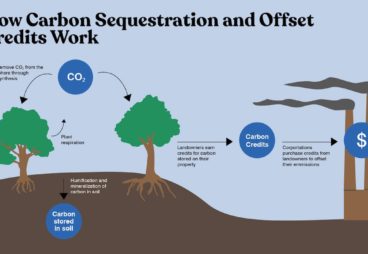
How AMC is Fighting Climate Change Through Carbon Credits

AMC’s Maine Woods Initiative now encompasses nearly 75,000 acres of forest land in the 100-Mile Wilderness region. While timber harvesting on a portion of these lands provides the major...

Explore

Action Center

Hard science, focused advocacy, and a whole lot of hands-on work have defined AMC’s conservation mission from the beginning. But it’s your support that carries the day in community meeting houses, in Congress, and in untrammeled wilderness alike. Learn more about our conservation initiatives and how you can contribute through our Conservation Action Network.

Take Action

AMC logo

10 City Square
Boston, MA 02129

  • Destinations
  • Get Involved
  • Resources
  • Conservation
  • Community
  • Careers
  • AMC Press Room
  • Email Signup
  • Log In to MyOutdoors
Weather and Trail Conditions Weather & Trail Conditions Book Now Book Now Support Support the Outdoors Shop Shop Contact Us Contact Us Help Center AMC Help Center About AMC About AMC AMC Business AMC Business
Guide Star
Charity Navigator
One Percent for the Planet

instagram
facebook
youtube
bluesky
tiktok

Policies Terms of Use Web Accessibility Site Map

The Appalachian Mountain Club is a nonprofit, tax-exempt charitable organization (tax identification number 04-6001677) under Section 501(c)(3) of the U.S. Internal Revenue Code. AMC operates under several special permits and leases, including in the White Mountain National Forest, New York Palisades Interstate Park Commission, and New Hampshire State Parks.

Copyright © 2024, Appalachian Mountain Club

This website runs on green hosting - verified by thegreenwebfoundation.org