


If you’ve ever stood on a mountain summit, you know the feeling: the wind on your face, the ache in your legs, and the way the land rolls away into the blue distance as far as you can see. Today, those far-reaching mountain views feel limitless, but they weren’t always that way.
In the decades after the industrial boom, unchecked pollution clouded the horizons of many eastern parks, obstructing views that once stretched as far as 90 miles. What changed? Strong pollution regulations cleaned up the air and restored the clarity we experience today. It’s a powerful reminder that the views we treasure—and the very air we breathe—depend on the choices we make every day.
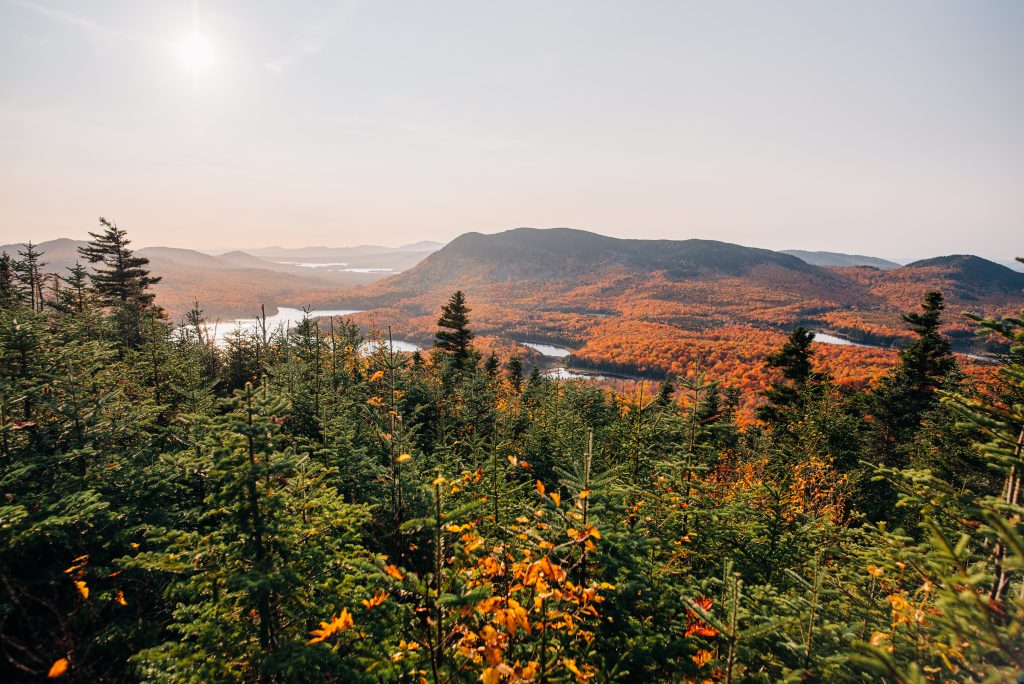
Laurie’s Ledge in Maine’s 100-Mile Wilderness. Photo by Corey David Photography.
That’s why the Appalachian Mountain Club is focused on protecting clean air and clear skies. For more than 45 years, our scientists have studied air quality in the White Mountains, collecting the long-term data that guides our advocacy for strong clean air protections. At the same time, AMC stewards vast forests that naturally filter the air, store carbon, and support resilient ecosystems.
Meaningful progress has been made, but it can be lost far faster than it was earned. New threats are putting clean air at risk, and the need for action has never been more urgent.
What’s Behind the Haze
When fine particles float through the air, they scatter and absorb sunlight, altering the color and clarity we see. These particles often come from pollution sources such as:
- Wildfire smoke
- Car and vehicle exhaust
- Power plant and industrial emissions
- Windblown dust
- Fossil fuel energy production
But air pollution affects far more than the view. Those microscopic particles are in the air you breathe, making your lungs work harder and heightening the risk of irritation or asthma symptoms. Even if you don’t have a respiratory condition, AMC research has shown since the 1990s that healthy hikers feel these effects on the trail.
The science is clear, and protecting the progress made so far is essential to ensuring everyone can explore the outdoors safely and comfortably.
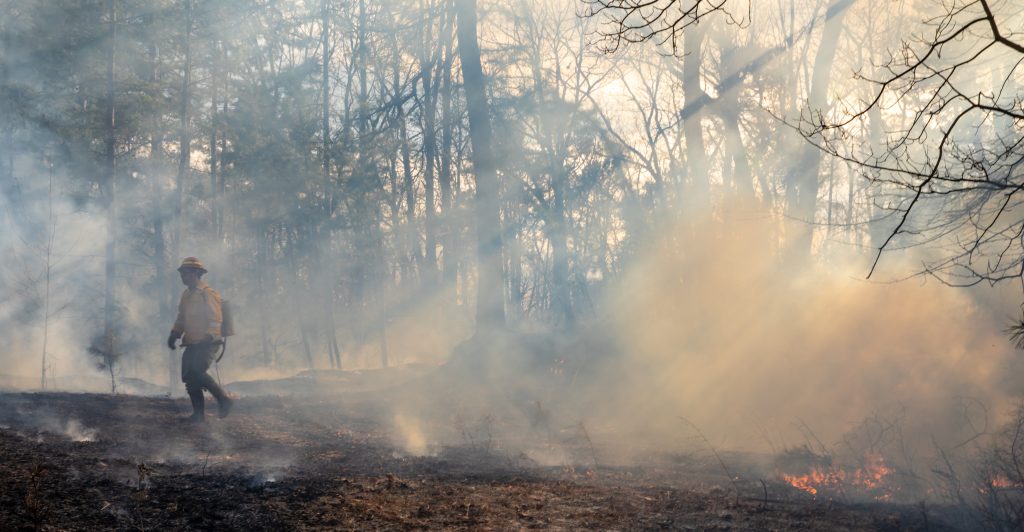
2020 AMC Photo Contest entry. Photo by Richard Lewis.
The Fight for Clean Air
Since 1970, the Clean Air Act has been one of the nation’s most effective tools for improving public health and environmental quality. This bipartisan legislation establishes national air quality standards, regulates emissions, and requires states to develop plans to meet them.
AMC’s scientists have documented the benefits of the Clean Air Act firsthand—from the Regional Haze Program improving visibility in the White Mountains to emission regulations reducing ozone pollution across the Eastern U.S.
“The Clean Air Act has many tools that have proven successful in reducing fossil fuel-derived air pollution, especially in rural areas and distant mountains. Without these national protections, public lands and our northern forest would have continued to see pollution transported from industrial and urban corridors,” said Georgia Murray, AMC’s senior scientist.
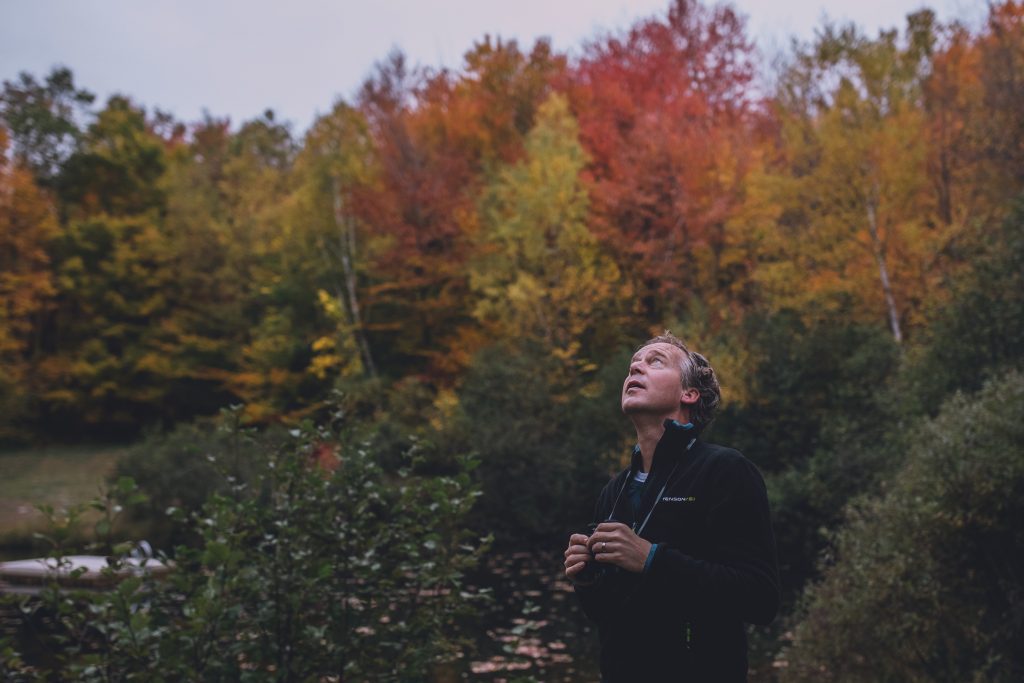
AMC Cardigan Lodge. Photo by Paula Champagne.
In other words: it’s working. But clean air is now at risk. This year, the U.S. Environmental Protection Agency has begun to roll back fundamental clean air protections, seeking to:
- Weaken the Mercury and Air Toxics Standards
- Revoke the endangerment finding
- Rescind greenhouse gas standards for vehicles and power plants
In a recent proposal, the EPA also announced plans to weaken the Regional Haze Program, which for more than 25 years has helped improve air quality and visibility across 156 public lands and protected landscapes.
Without strong standards, iconic vistas will cloud in haze. Exploring your favorite public lands—whether skiing in the White Mountains, hiking in Shenandoah, or kayaking in Acadia—will likely leave you more out of breath than it used to. These rollbacks threaten the places we all know and love, but AMC’s Conservation team isn’t backing down.
AMC’s Approach to a Clear Future
AMC is committed to protecting clean air through a combination of scientific research, policy advocacy, and on-the-ground stewardship—three pillars that strengthen one another and drive lasting impact.
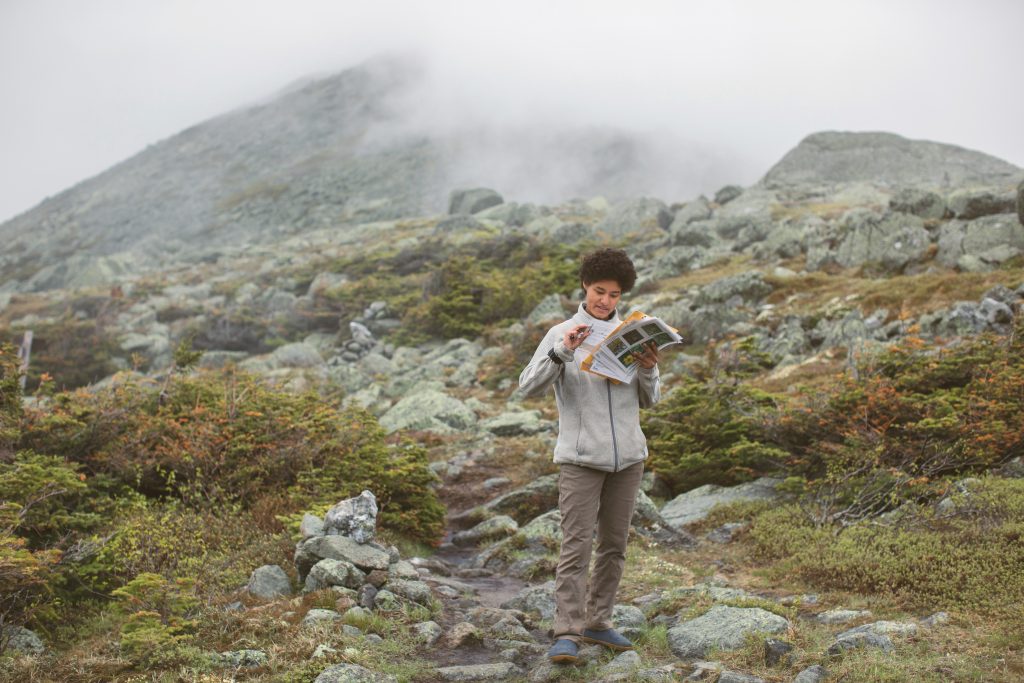
AMC Naturalist Imara White at Madison Spring Hut. Photo by Paula Champagne.
From mountaintop ozone studies to long-term visibility research, AMC scientists have monitored air quality and climate patterns in the White Mountains. This data strengthens national understanding of how pollution travels, how conditions are changing, and which protections offer the greatest benefit.
With this science and support from the outdoor community, AMC’s Policy team is meeting these challenges to the Clean Air Act with every tool we’ve got: providing science-based testimony, collaborating with partner organizations, and advocating for policies that protect both people and ecosystems.
On the ground, AMC stewards nearly 130,000 acres of conserved land and more than 1,800 miles of trails. These landscapes help filter pollutants, store carbon, and support healthy ecosystems. Together, these efforts contribute to cleaner air and a more resilient region.
What You Can Do
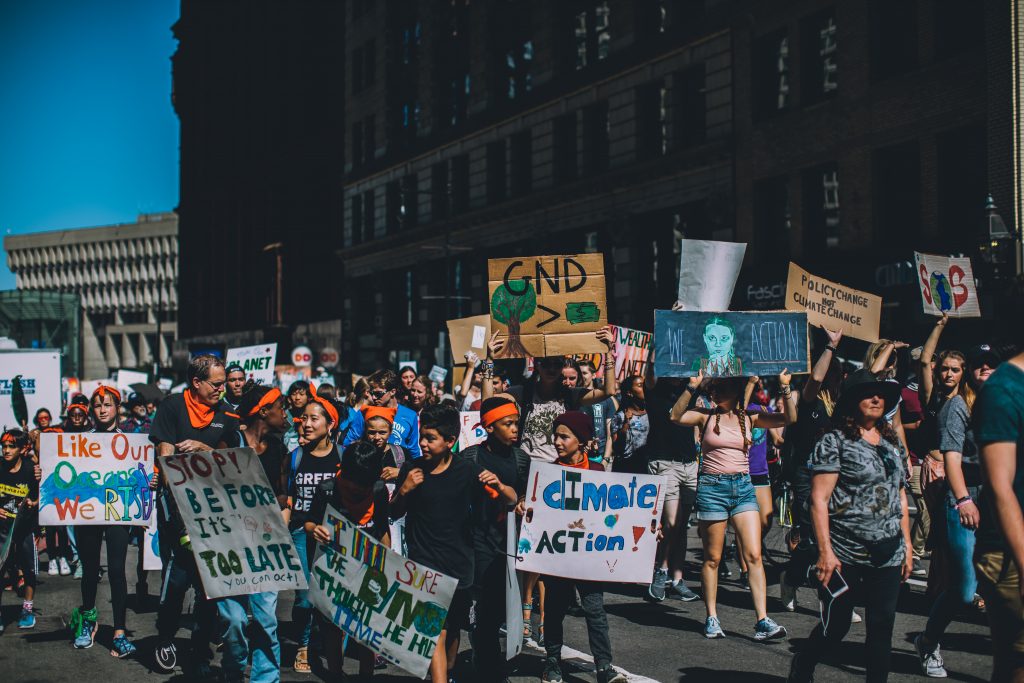
Global Climate Strike in Boston, Massachusetts. Photo by Paula Champagne.
AMC’s ongoing work in clean air research and advocacy depends on people like you who value clear skies and a healthy planet. By joining AMC’s Conservation Action Network, you can add your voice to protect clean air, urge decision-makers to act, and share knowledge that inspires others.
Each message helps keep the air clear for future generations—and keeps those summit views worth the climb.