home

So, You Think Your Kids Are Ready To Go Camping?

Kids learn about the outdoors through games. Photo: Jody Bickel

AMC Outdoors, Web Exclusive, June 2005

Most AMC members are familiar with the time-honored Boy Scout credo, "Be Prepared." When you bring children along, the significance of that credo increases exponentially. Kids like their independence (just ask them!), until they get uncomfortable. Then the responsibility for their welfare – physically, emotionally and psychologically – falls squarely on your shoulders.

If you've already been carrying a pack all day, that added responsibility could be an onerous weight indeed, especially if that pack was a little heavier to begin with thanks to all the "extras" you brought for your young charges. Here's how to lighten the load a bit.

1) Practice makes perfect. Consider a trial run close to home. Pitch a tent in the backyard for your first overnight with kids, and let them help out "setting up camp." Experiment with sleeping bags, mattress pads, even sleeping arrangements (my 8-year-old flails in her sleep, and we've learn to give her extra room!). This also gives parents the chance to make sure that everything, from stoves to headlamps, is in good working order.

2) Do your homework. You're the adult, and that naturally carries leadership responsibilities. Scout out trails, campsites and the weather before you head into the woods. This is especially important if your destination is a more "primitive" site. Ask your kids where they'd like to go – the answers might surprise and inspire you. It also gives them ownership of the experience, a key component in raising true outdoor enthusiasts.

3) Know your child's limitations. You understand them better than anyone, so be careful about pushing them too hard. Kids are typically the "weakest link" in any camping or hiking party, through no fault of their own. Keep in mind that there's a fine line between encouraging kids to push themselves, and pushing them over the edge. Be patient. Think "attitude, not altitude." Be prepared to turn back.

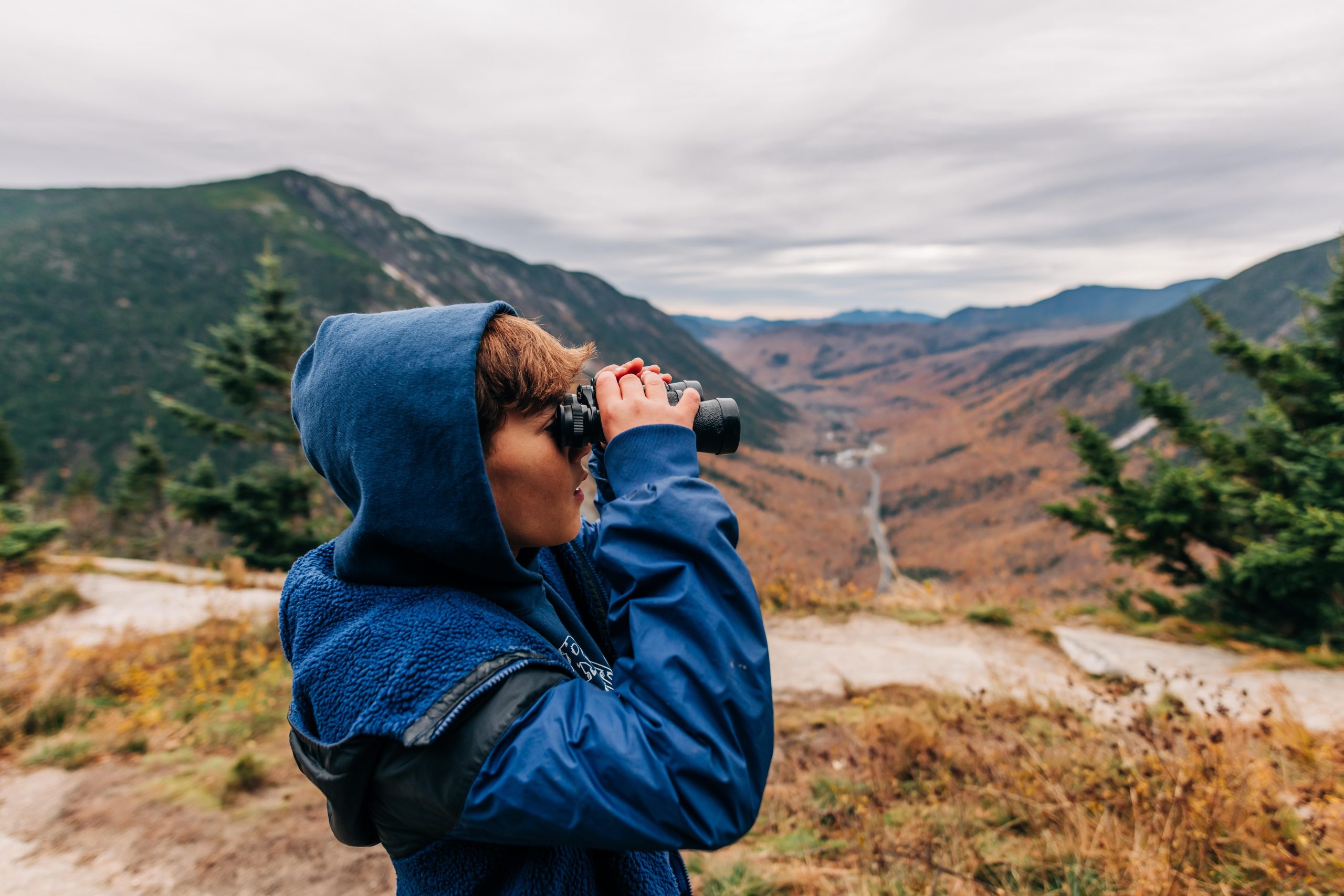
4) Engage if feasible. The great outdoors is an unparalleled educational opportunity, but try to avoid the "classroom" feeling. Fire your child's imagination with lessons about wildlife, the surrounding trees, ponds, streams or swamps, the change of seasons. Teach them map and compass skills. Don't quiz them; just let them soak it up. "Your kids will then go back and teach their friends," says Jeff Hogan, a longtime AMC member and father of two. "They’ve been empowered with knowledge outside the norm."

5) Distract if necessary. If your child doesn't take the wilderness lesson bait, have a few favorite props handy – a Frisbee, a ball, coloring books, glow sticks, a harmonica, even knitting needles (a big hit with my girls). Just leave the electronic devices – GameBoys, CD players, cell phones, etc. – home.

6) Remember to play. They are kids, after all. They need to enjoy themselves. "Have a fun destination in mind, like a waterfall or rocks to climb on, or some place where they can just run around and play," says James Black, father of three rambunctious boys. Getting outside doesn't need to have any higher purpose than that. Fishing, swimming, tree-climbing, or telling ghost stories might not qualify as high adventure, but they're all fun.

7) Be creative. Think outside the box, and maybe outside your own comfort zone, to get your child's attention. "Do something weird," says Hogan. "Take a night hike, look at the stars, do a bushwhack." Take plenty of pictures, and have your kids keep diaries. Both help capture priceless memories, and generate excitement for the next adventure.

8) When nature calls. Some campsites have outhouses, but you'd be wise to inspect them before your kids do. On the trail, or at a primitive site, heeding nature's call is an opportunity to show children how to be self-sufficient (always pack toilet paper!) and teach them Leave No Trace guidelines. Just like home, make sure they tend to business before bedtime.

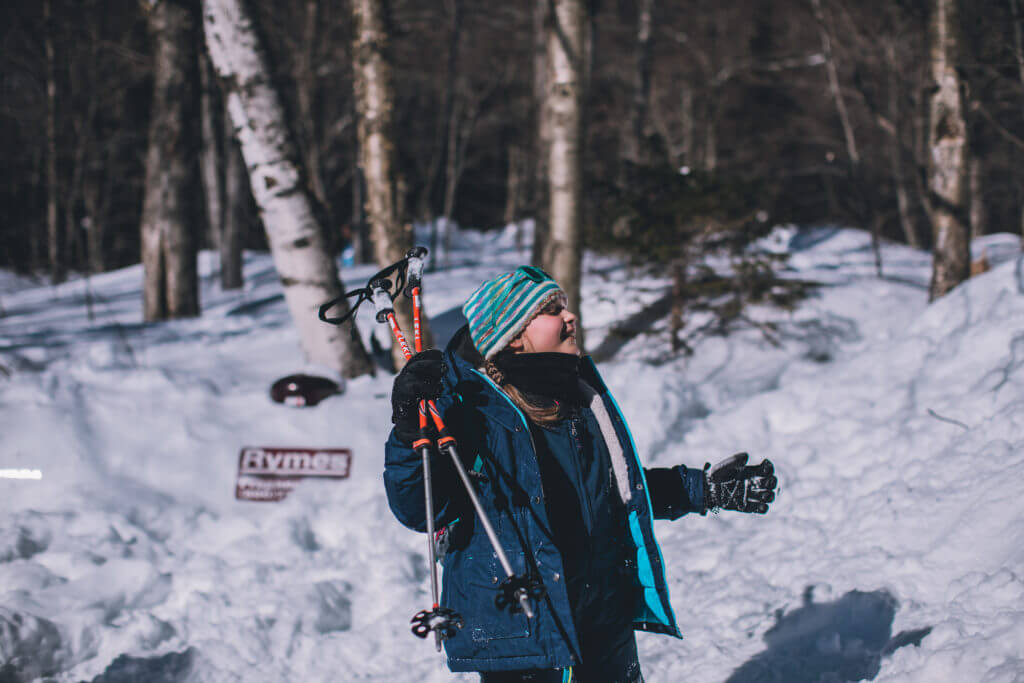
9) Get the right gear, child-size. Wilderness veterans know that having the right gear is crucial. The same applies for your child. Don't skimp on quality gear – from rain jackets and backpacks to sunglasses and hiking boots – even if it's pint-sized. Pack plenty of layers. "Bring twice as much clothing for the kids as you think you'll need," says dad and outdoor author Lafe Low. "You'll need it." Remember the child-safe bug repellent too.

10) Do it often. Again, the more familiar kids become with the outdoors, the more comfortable they'll be in a wilderness setting. Every outing doesn't have to be an epic, and even most urban areas have state parks nearby that allow overnight camping. Camp often – soon it will be second nature for your child.

Brion O’Connor is a freelance writer on Boston’s North Shore and proud dad to two up and coming outdoorswomen.

Photo: Jody Bickel