EIA Outdoors Online
The Nurture of Nature. Photo by Jerry and Marcy Monkman.
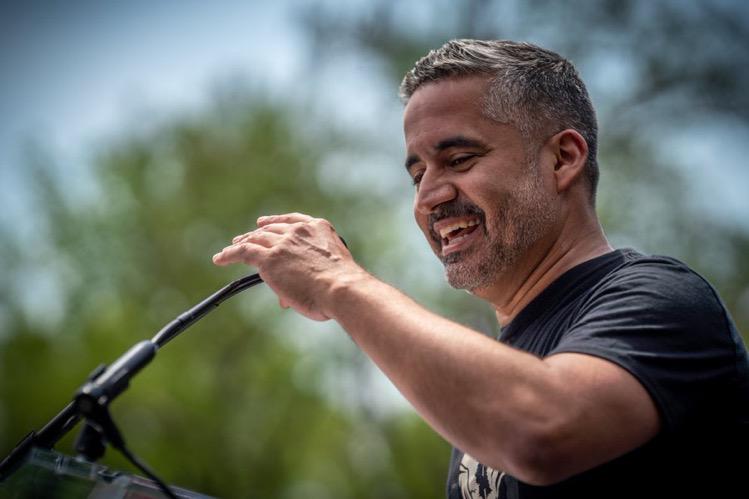
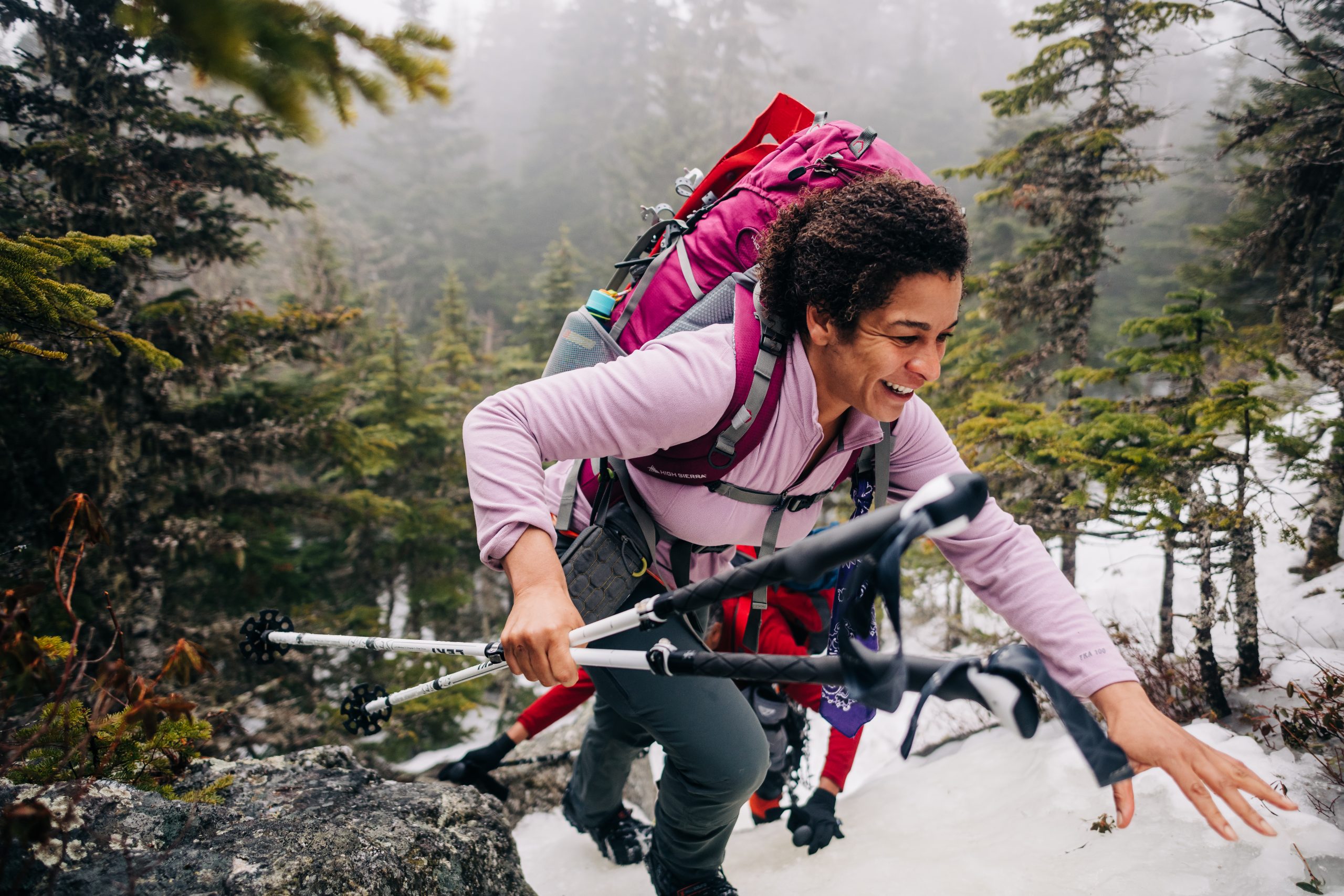
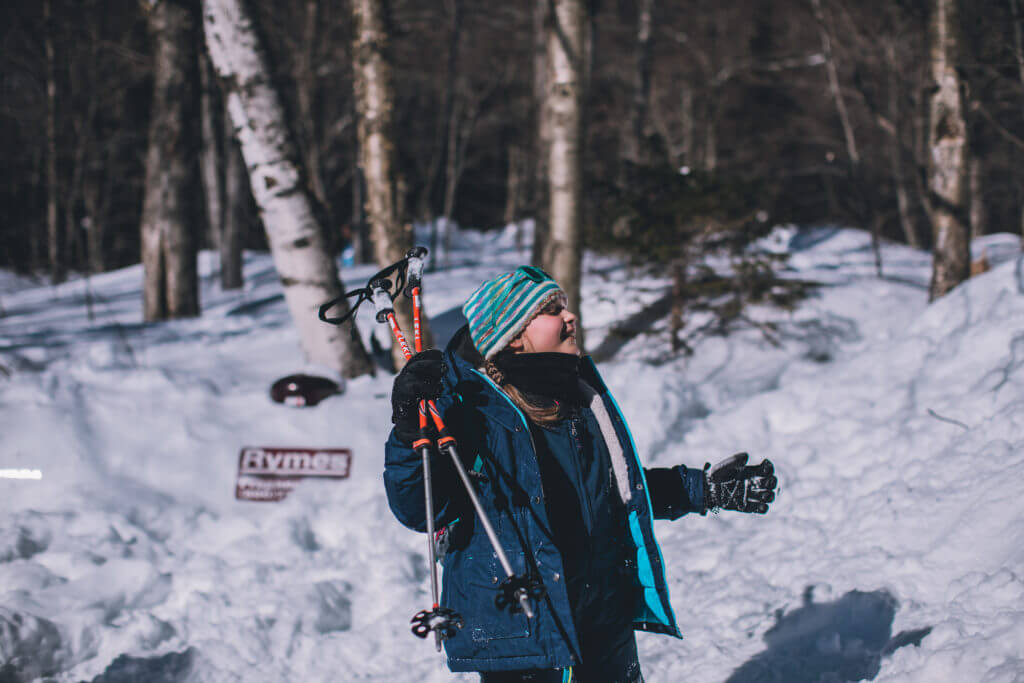
caption Author Richard Louv took a host of complex, seemingly unrelated problems and offered a single
solution for all of them: Get children to spend more time outdoors. Photo by Jerry and Marcy Monkman.
How one book sparked a movement to reconnect today’s young people with the outdoors

By Kristen Laine

AMC Outdoors, May/June 2010

Five years ago this May, Richard Louv, a newspaper columnist from San Diego, published his seventh book. The book advanced the same theme found in his previous six: a plea for stronger communities and more engaged parenting. Yet this one would catapult Louv and his life's work onto the national stage and inspire a grassroots movement on an international scale.

FAMILY RESOURCES ONLINE
Find seven tips from AMC experts for getting your own children (or those in your neighborhood) outside more often at www.outdoors.org/magazine.

For a complete guide to outdoor resources and outings for families, visit www.outdoors.org/recreation/family. And for regular inspiration and information about getting kids outdoors, read the AMC blog Great Kids, Great Outdoors.

The title of the book was Last Child in the Woods. But it was the subtitle, "Saving Our Children from Nature-Deficit Disorder," that unexpectedly fueled the book's popularity. The phrase "nature-deficit disorder" did not reflect an existing medical diagnosis. Using the language of disease, however, allowed Louv to diagnose societal ills in a way that resonated with readers. It gave him a perfect sound bite.

The book summarized decades of research—in sociology, education, public health, family science, and medicine—and made a persuasive case that nature-deficit disorder was a critical national problem. Louv linked that single disorder to widely ranging aspects of modern culture: childhood obesity, relentless exposure to electronic media, playground lawsuits, a narrow focus on testing in public schools, parents' increasing fear of strangers, stress in over-scheduled children. Then he used additional research—and his rhetorical skills—to persuade readers that reconnecting children with nature could cure it. He took a host of complex, seemingly unrelated problems and offered a single solution for all of them: Get children to spend more time outdoors.

A common platform
Louv's argument touched a broad cross-section of society. It addressed the mother concerned about the hours her son spent playing video games; the teacher who faced fidgeting children in schools that had removed recess from the school day; the pediatrician who saw overweight patients at ever younger ages; environmental groups that saw fewer young people getting involved. Suddenly, it seemed, people with a diverse spectrum of concerns found something in common to rally behind.

Several key elements helped Louv turn his message into a movement. He had his rallying cry, but he needed an organization to translate interest into action. With Cheryl Charles, who had founded and run several environmental nonprofits, he created the Children & Nature Network (C&NN) in April 2006. The new organization connected groups that had been working, in some cases for decades, on issues related to nature-deficit disorder. The network gave them a common platform, raised their profile through Louv's star power, and gave them opportunities to collaborate.

Marilyn Wyzga, an environmental educator with the New Hampshire Fish and Game Department, was typical of the activists inspired by the new network. She heard Charles at a conference, and in January 2007 convened a statewide summit on reconnecting children and nature that brought together decision-makers from health, education, government, and state agencies. Later that year, she organized a forum in the state capital, and 1,000 people turned out to hear Louv speak. The New Hampshire Children in Nature Coalition became the first statewide comprehensive collaboration and a model for other states.

The campaign quickly grew to include efforts in nearly every state in the U.S. Connecticut launched a program to encourage families to visit its underused state parks. New York City created green garden spaces just for kids. An environmental charter school got off the ground in Rhode Island.

Schools and beyond
Recognizing the key part that schools might play in the movement, Louv introduced the phrase No Child Left Inside in his talks. The phrase intentionally contrasted C&NN's goals to the No Child Left Behind education act, which had moved testing to the center of education reform and had the unintended consequence of stripping recess and other outdoor time from many school schedules. A "No Child Left Inside" (NCLI) coalition of more than 1,500 organizations, including AMC, is now supporting joint bills to add environmental education guidelines and funding to the reauthorization of the federal education act. More than 40 states are crafting environmental literacy plans; in New England, four states that share standardized testing (Maine, New Hampshire, Rhode Island, and Vermont) are collaborating on a regional plan. If the NCLI legislation passes as expected, it will be a landmark victory for environmental educators.

By the end of 2009, C&NN had gone international. It counted more than 65 initiatives at the city, state, regional, and Canadian provincial level, as well as programs outside North America. The efforts ranged from safe routes to school to one-page handouts encouraging pediatricians to prescribe the outdoors in well-child check-ups to a "green hour" initiative promoted by the National Wildlife Federation recommending one hour a day in outdoors play for all children.

Five years after the book's publication, the movement has created something environmentalists have long hoped for—a tent large enough to include most Americans. That big tent makes possible the "deep, lasting cultural change" that Louv believes is necessary to reconnect children and nature.

New research extends the benefits to society when children have ongoing, direct experiences in nature. The route to active concern for the environment as an adult, according to these studies, is to spend a childhood experiencing “wild nature.” Unstructured, independent play in nature creates the strongest attachment. But just as crucial to the nature-child connection, according to this research, is “a mentoring adult” who teaches a child respect for nature.

  1 | 2
NEXT PAGE next page